Brazil
Rio · Salvador · Recife · Minas Gerais
A musical continent where African, Portuguese and Indigenous elements fused. Samba and choro in Rio, baião from the Northeast, bossa nova, Tropicália, the music of Minas — every region has its own sound.
A rhythm of this region: Bossa nova clave
58 recordings, 1939–2026
-

1939
Carmen Miranda, Sua Melhor Época
Born in Portugal and raised in Rio, she became a samba star in the 1930s and later projected an image of “Brazil” to the world from Hollywood.
-
1946
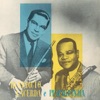
Benedito Lacerda & Pixinguinha, Benedito Lacerda e Pixinguinha
A 1966 LP drawn from the choro duets that flautist Benedito Lacerda and Pixinguinha — now on tenor sax — recorded for RCA in 1946–50, including “1 x 0” and “Naquele Tempo.” Pixinguinha’s countermelodies here have become a subject of academic study.
-

1947
Luiz Gonzaga, 50 Anos de Chão
Accordionist and singer from the Northeast whose “Asa Branca” (1947) and other hits made baião a nationwide craze.
-

1954
Dorival Caymmi, Canções Praieiras
Dorival Caymmi’s first LP, a 10-inch Odeon record of 1954: eight of his own songs about the sea, sung to his acoustic guitar alone. It is often described as an early concept album built around a single theme.
-

1956
Maysa, Convite para Ouvir Maysa, Vol. 1
Maysa’s debut, a 10-inch RGE record of 1956 whose eight songs she wrote herself. Tracks such as “Adeus”, “Resposta” and “Marcada” were widely played on radio in São Paulo and Rio, and three more volumes followed by 1959.
-

1958
Elizeth Cardoso, Canção do Amor Demais
Elizeth Cardoso’s LP for Rio’s small Festa label consists entirely of songs by Tom Jobim and Vinícius de Moraes. João Gilberto’s guitar on two tracks, including “Chega de Saudade”, is the first recording of his new beat, and the album is often called the first bossa nova record.
-

1959
João Gilberto, Chega de Saudade
João Gilberto’s debut. A near-whispered voice and a guitar that distilled samba’s rhythm — the birth of bossa nova.
-

1961
Johnny Alf, Rapaz de Bem
Johnny Alf’s first album, recorded for RCA in 1961. Its title song, first recorded in 1955, is considered by many the first real bossa nova song; Alf’s singing and writing anticipated the style before it had a name and influenced Jobim and others.
-

1963
Jorge Ben, Samba Esquema Novo
Singer-guitarist Jorge Ben’s debut, released on Philips in 1963. It opens with his own first recording of “Mas que Nada,” later one of the best-known songs in the world, and its rhythmic guitar gave samba a new shape; it reportedly sold an unprecedented 100,000 copies.
-

1964
Stan Getz & João Gilberto, Getz/Gilberto
Stan Getz and João Gilberto, recorded in New York; Astrud Gilberto’s “The Girl from Ipanema” became a worldwide hit and the album won the Grammy for Album of the Year.
-

1966
Baden Powell & Vinicius de Moraes, Os Afro-Sambas
Guitarist Baden Powell and poet Vinicius de Moraes, inspired by the songs and drums of Bahian candomblé, wrote sambas to the orixás — looking past bossa nova to Afro-Brazilian roots.
-

1968
Various Artists, Tropicália ou Panis et Circencis
The manifesto album of the Tropicália movement, with Caetano Veloso, Gilberto Gil, Gal Costa, Os Mutantes and others.
-

1968
Os Mutantes, Os Mutantes
The São Paulo trio’s debut, mixing psychedelic rock and Brazilian music with abandon — at the heart of Tropicália.
-

1971
Chico Buarque, Construção
Released in Rio under the military dictatorship. Its title song tells a worker’s last day in strictly patterned verse, a defining song of the censorship years.
-

1972
Milton Nascimento & Lô Borges, Clube da Esquina
A double album by Milton Nascimento, Lô Borges and friends from Minas Gerais, where the Beatles, jazz, church music and folk dissolve into one another.
-

1972
Novos Baianos, Acabou Chorare
A collective from Bahia who, on João Gilberto’s advice, went back to samba and choro and fused them with rock’s heat — often voted the greatest Brazilian album ever made.
-

1972
Caetano Veloso, Transa
Recorded in exile in London and released after his return; moving between English and Portuguese, it takes in reggae and the samba of Bahia.
-

1974
Cartola, Cartola
The first solo album by the legendary composer of Rio’s hillside samba, released when he was in his sixties.
-

1974
Elis Regina & Antônio Carlos Jobim, Elis & Tom
Elis Regina and Antônio Carlos Jobim, recorded together in Los Angeles; their duet on “Águas de Março” is one of bossa nova’s defining recordings.
-

1975
Tim Maia, Racional, Vol. 1
Made by the king of Brazilian soul during his time in a new religious movement; he later withdrew it, and it long remained a legendary lost album.
-

1975
Gilberto Gil, Refazenda
The Bahian singer turned back to the rural music of the Northeast — the first of his “Re” trilogy.
-

1975
Rita Lee & Tutti Frutti, Fruto Proibido
An album by Rita Lee, later hailed as Brazil’s queen of rock, with her band Tutti Frutti. With hits such as “Ovelha Negra,” and “Agora Só Falta Você,” it was the first Brazilian rock record to sell on a large scale.
-

1976
Jorge Ben, África Brasil
Electric guitar and heavy funk grooves carry songs of Afro-Brazilian history and heroes.
-

1976
Tom Zé, Estudando o samba
Tom Zé’s experimental “study” of samba. Ignored on release, it was discovered more than a decade later by David Byrne, who drew most of his Luaka Bop Tom Zé compilation from it and brought Zé an audience in the US and Europe.
-

1980
Arrigo Barnabé & Banda Sabor de Veneno, Clara Crocodilo
Arrigo Barnabé and Banda Sabor de Veneno’s 1980 album, a tale of violence, mutation and urban paranoia regarded as the founding work of São Paulo’s “Vanguarda Paulista.” It sold poorly and was booed in concert, but critics embraced it and it won an APCA award the following year.
-

1986
Os Paralamas do Sucesso, Selvagem?
Os Paralamas do Sucesso’s third album, produced by Liminha for EMI, mixed rock with reggae and African rhythms on songs such as “Alagados” and “A Novidade,” their first collaboration with Gilberto Gil. It sold over 700,000 copies and took the band to Montreux the following year.
-

1986
Titãs, Cabeça Dinossauro
Titãs recorded the album at Estúdio nas Nuvens in Rio in March–April 1986 with producers including Liminha, then head of WEA, and released it that June. Driven by the hits “Polícia” and “AA UU,” it went gold, and Rolling Stone Brasil ranked it 19th among the greatest Brazilian albums in 2007.
-

1989
Marisa Monte, MM (Ao Vivo)
Marisa Monte’s first album, produced by Nelson Motta and recorded live at Rio’s Teatro Villa-Lobos in late 1988, came out on EMI in January 1989. In 2022 a panel of experts polled by O Globo named it one of the best Brazilian albums of the previous 40 years.
-

1992
Daniela Mercury, O Canto da Cidade
Daniela Mercury’s second album, and her first for Sony after the 1991 hit “Swing da Cor,” produced by Liminha. Led by the title song, it is said to be the first Brazilian album to pass a million sales.
-

1993
Lenine & Marcos Suzano, Olho de Peixe
A Pernambuco singer-guitarist with pandeiro player Marcos Suzano: with just guitar and pandeiro, they joined northeastern rhythm to an urban sensibility and shaped a generation.
-

1994
Chico Science & Nação Zumbi, Da Lama ao Caos
The Recife band’s debut fused maracatu drums with rock and hip-hop — the starting point of the manguebeat movement.
-

1994
Marisa Monte, Verde, Anil, Amarelo, Cor-de-Rosa e Carvão
Marisa Monte’s second studio album, made with Arto Lindsay in New York and Rio, with guests including Gilberto Gil, Paulinho da Viola, Carlinhos Brown, Laurie Anderson and the Portela samba school. “Segue o Seco” was among its hits.
-

1997
Milton Nascimento, Nascimento
Milton Nascimento, the voice of Minas Gerais, named this album after himself — the word means “birth.” It won the Grammy for world music.
-

1997
Caetano Veloso, Livro
Caetano Veloso’s “Book,” setting Bahian percussion against brass and strings — a peak of the Tropicália leader’s maturity.
-

1997
Racionais MC’s, Sobrevivendo no Inferno
São Paulo’s Racionais MC’s told the reality of the periphery — including the Carandiru prison massacre — in Brazil’s landmark hip-hop album.
-

1999
Mestre Ambrósio, Fuá na Casa de Cabral
Recife’s Mestre Ambrósio played Pernambuco traditions — maracatu, coco, forró — with a rock sensibility in the mangue beat years.
-

2000
João Gilberto, João Voz e Violão
The founder of bossa nova, alone with voice and guitar, revisiting “Desafinado,” “Chega de Saudade” and more on his last studio album, produced by Caetano Veloso.
-

2002
Tribalistas, Tribalistas
Marisa Monte, Arnaldo Antunes and Carlinhos Brown as a trio, with hits like “Já Sei Namorar.”
-

2004
Ivan Lins, Cantando Histórias
The Rio songwriter revisits his own classics; Latin Grammy Album of the Year.
-

2004
Seu Jorge, Cru
Rio singer Seu Jorge, from the favela to City of God, sings with spare, nearly solo guitar.
-

2009
Céu, Vagarosa
Singer Céu’s second album built on the international acclaim of her debut: it reached No. 2 on Billboard’s world music chart and was nominated for a Latin Grammy for Best Brazilian Contemporary Pop Album in 2010.
-

2011
Criolo, Nó na Orelha
A rapper from Grajaú on São Paulo’s south side who mixed samba and Afrobeat into hip-hop — embraced as a new kind of MPB.
-

2011
André Mehmari, Canteiro
Pianist-composer André Mehmari’s double album of his songs, with Mônica Salmaso, António Zambujo, Carlos Aguirre, Hamilton de Holanda and many others.
-

2012
Alexandre Andrés, Macaxeira Fields
The second album by a Belo Horizonte singer-songwriter and flautist, setting poet Bernardo Maranhão’s words with delicate winds, strings and voices. His father is Uakti flautist Artur Andrés.
-

2012
Metá Metá, Metal Metal
The second album by the trio of Juçara Marçal, Kiko Dinucci and Thiago França adds bass, drums and percussion, setting songs to the Candomblé orixás in a storm of psychedelic samba, distorted jazz and Afro-punk.
-

2013
Antonio Loureiro, Só
A composer and multi-instrumentalist from Minas Gerais who melts complex harmony and odd meters into gentle song — central to the new Minas generation.
-

2015
Elza Soares, A Mulher do Fim do Mundo
The samba singer, active since the 1950s, joined São Paulo’s avant-garde young musicians to sing of violence and prejudice — a new frontier late in her life.
-

2016
BaianaSystem, Duas Cidades
BaianaSystem’s album takes its title from Salvador’s upper and lower cities. Roberto Barreto’s guitarra baiana, the small electric guitar of the city’s carnival, meets dub and electronics in songs about urban life and migration; previewed at carnival, it made the band a leading new name in Brazilian music.
-

2019
Ana Frango Elétrico, Little Electric Chicken Heart
A young Rio singer-songwriter who rebuilds 1970s MPB and soul with wry, inventive arrangements.
-

2019
Emicida, AmarElo
São Paulo rapper Emicida joins Black history and Brazilian musical tradition in a message of hope.
-

2021
Marina Sena, De Primeira
Marina Sena’s debut, produced by Iuri Rio Branco: pop with MPB touches. “Por Supuesto” went viral on TikTok and topped Spotify’s Viral 50 Global chart, and she won three Multishow Brazilian Music Awards in 2021, including best album and revelation of the year.
-

2022
Bala Desejo, SIM SIM SIM
A Rio quartet — Dora Morelenbaum, Julia Mestre, Lucas Nunes and Zé Ibarra — whose songs and harmonies recall 1970s MPB; the album won a Latin Grammy.
-

2024
Amaro Freitas, Y’Y
A pianist from Recife, inspired by the Amazon and its peoples, preparing his piano so it rings like percussion.
-

2024
Anitta, Funk Generation
Brazilian pop star Anitta devotes a whole album to funk carioca, singing in Portuguese, Spanish and English. It was nominated for Best Latin Pop Album at the 67th Grammy Awards.
-

2024
Liniker, CAJU
Liniker’s album, released on Breu Entertainment, won Album of the Year at the 2024 Multishow Brazilian Music Awards and, at the 2025 Latin Grammys, Best Portuguese Language Contemporary Pop Album — one of three awards she took that night.
-

2025
Caetano Veloso & Maria Bethânia, Caetano e Bethânia Ao Vivo
A live set from Caetano Veloso and Maria Bethânia’s 2024 joint tour, an idea of Bethânia’s that celebrated the long careers of the two Bahian musicians and added new songs. Its 33 tracks won the Grammy for Best Global Music Album in 2026.
-

2026
THAMI, Relevuras
THAMI, from Nilópolis in Rio’s Baixada Fluminense and now based in São Paulo, recorded the album live in the studio, with Luedji Luna and Rashid as guests.
-

2026
Ana Castela, Fire Arena
Brazilian singer Ana Castela’s second studio album, released in May 2026. Turning from the electrofunk and tech-house beats of her Latin Grammy-winning Let’s Go Rodeo toward Nashville-style American country, it was produced by Mateus Félix and features no guests.