Anatolia
Turkey
The high plateau between Europe and Asia. Ottoman classical music, the saz of the âşık bards, 1960s–70s Anatolian rock and arabesk all draw on a deep tradition of makam modes and odd meters.
A rhythm of this region: 9/8 (2+2+2+3)
32 recordings, 1955–2023
-

1955
Safiye Ayla, Saklı Kayıtlar (1946–1985)
A leading voice of Turkish art music (sanat), singing subtle makam-based melodies with oud and ensemble.
-

1967
Cem Karaca ve Apaşlar, Emrah (EP)
An early Anatolian rock record: Turkish folk song and poetry in a rock-band line-up.
-

1974
Erkin Koray, Elektronik Türküler
The “father of Turkish rock” reworks folk songs (türkü) with electric instruments and psychedelic sound.
-

1974
Bülent Ortaçgil, Benimle Oynar Mısın
Bülent Ortaçgil’s first album, made while Anatolian pop ruled: quiet guitar songs that look closely at everyday life. Barely noticed on release, it later became a classic of Turkish singer-songwriting.
-

1975
Barış Manço, 2023
Anatolian folk tales and melodies told through progressive rock.
-

1975
Orhan Gencebay, Batsın Bu Dünya
Saz player and singer, the defining voice of arabesk — songs of loneliness for people who moved from the provinces to the big cities. The title song was a 1975 smash.
-

1975
Moğollar, Düm-Tek
From Moğollar, the band that pioneered Anatolian pop by joining folk melody to rock: saz and folk percussion with electric guitars. In France it came out as “Hittit Sun.”
-

1983
Fikret Kızılok, Zaman Zaman
Fikret Kızılok’s return after a forced break around the 1980 coup, turning from politics to love songs with an all-acoustic sound of tabla, bass, ney and bendir. Hürriyet placed it seventh among the 100 best Turkish albums.
-

1984
MFÖ, Ele Güne Karşı Yapayalnız
The first album under the name MFÖ — the initials of Mazhar, Fuat and Özkan. They recorded the title song themselves after an earlier version ran into broadcast censorship, and it became a landmark of 1980s Turkish pop.
-

1985
Ahmet Kaya, Ağlama Bebeğim
The debut of Kurdish-Turkish singer Ahmet Kaya, setting poems by Nazım Hikmet, Ahmed Arif and others. Censored and banned soon after release, it spread all the more widely on the black market.
-

1995
Sezen Aksu, Işık Doğudan Yükselir
The “queen of Turkish pop” draws on folk songs and devotional music from across Turkey.
-

1996
Şebnem Ferah, Kadın
The first solo album by Şebnem Ferah, formerly of the all-woman band Volvox. Released on Sezen Aksu and Onno Tunç’s label, it was a big hit and set a powerful woman’s voice at the heart of Turkish rock.
-

1997
Tarkan, Ölürüm Sana
From the German-born Turkish singer. “Şımarık” became a hit across Europe, carrying Turkish pop beyond its borders.
-

1997
Kardeş Türküler, Kardeş Türküler
Istanbul’s “Songs of Brotherhood” sing the songs of Anatolia’s peoples together — in Turkish, Kurdish, Armenian, Laz and more.
-

1998
Erkan Oğur & İsmail Hakkı Demircioğlu, Gülün Kokusu Vardı
Fretless-guitar pioneer Erkan Oğur and singer İsmail Hakkı Demircioğlu revisit old folk songs from across Anatolia with nothing but quiet guitar, saz and an unadorned voice.
-

1999
Duman, Eski Köprünün Altında
Duman’s debut: Kaan Tangöze’s grunge-touched songs and lean guitars speaking plainly about everyday life — a record that inspired a new generation of Turkish rock bands.
-

1999
Neşet Ertaş, Gönül Dağı
Volume 2 of the collected recordings of Neşet Ertaş, known as “the plectrum of the steppe,” gathering recordings from 1969–74 including “Gönül Dağı.”
-

2001
Kazım Koyuncu, Viya!
The first solo album by Laz singer Kazım Koyuncu, born near Hopa on the Black Sea coast: songs in Lazuri, Georgian, Hemshin and other vanishing languages, sung with a rock sensibility.
-
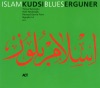
2001
Kudsi Erguner, Islam Blues
Ney player Kudsi Erguner on the ACT label, with Renaud Garcia-Fons, Nguyên Lê, Mark Nauseef and others, tracing the Islamic patterns within the blues.
-

2002
Mercan Dede, Nar
Ney player Mercan Dede distilled this from concerts in Turkey and Europe: ney and Turkish, Persian and Indian sounds layered over electronics and field recordings — Sufi music meeting the modern club.
-

2002
Ceza, Medcezir
Istanbul rapper Ceza’s first solo album after the group Nefret: rapid, precise Turkish-language flows that laid the ground for his 2004 breakthrough, Rapstar.
-

2003
BaBa ZuLa & Mad Professor, Psychebelly Dance Music
The Istanbul band teams up with UK dub master Mad Professor, stretching electric saz and darbuka into dub space.
-

2004
Aynur, Keçe Kurdan
Kurdish singer Aynur, singing in Kurdish; the title song once drew official objection in Turkey.
-

2004
mor ve ötesi, Dünya Yalan Söylüyor
The fourth album by Istanbul’s mor ve ötesi, their breakthrough, voted the best Turkish rock album of all time by Blue Jean magazine; in 2008 the band represented Turkey at Eurovision.
-

2006
Ciwan Haco, Off
One of the first singers to join Kurdish folk to Western pop, rock, blues and jazz, Ciwan Haco sings almost entirely in Kurdish here, mixing electro-pop and ballads. Released in Europe in 2006.
-

2011
Mabel Matiz, Mabel Matiz
Mabel Matiz’s debut, produced and arranged with Alper Gemici. Songs like “Arafta” drew wide attention and it was named among the best albums of 2011.
-

2013
Sagopa Kajmer, Kalp Hastası
Turkish rapper Sagopa Kajmer’s album on the Melankolia label, including “Düşünmek İçin Vaktin Var,” released as a video the day before, and a guest spot from Kolera.
-

2016
Jakuzi, Fantezi Müzik
The debut by Jakuzi, formed in Istanbul in 2015: dark-wave and new-wave synth-pop, titled after fantezi, the glammed-up offshoot of arabesk. Berlin’s City Slang reissued it the next year with four extra tracks.
-

2018
Altın Gün, On
Formed in Amsterdam, they play Turkish folk songs psychedelically, in the spirit of 1970s Anatolian rock.
-

2022
Gaye Su Akyol, Anadolu Ejderi
The Istanbul singer layers surf rock and psychedelia over Anatolian rock and old Turkish song.
-

2022
Lalalar, Bi Cinnete Bakar
Lalalar — Ali Güçlü Şimşek, Barlas Tan Özemek and Mehmet Alican İpek — fuse Anatolian rock with club music, hip-hop and electronics under lyrics that critique Turkish society. Bandcamp Daily said that with this album they crowned themselves the pre-eminent disruptors of Anatolian rock.
-

2023
Altın Gün, Aşk
An Amsterdam band who play Turkish folk songs and Anatolian rock with a psychedelic feel; this album centres on folk songs.