German-speaking Europe
Berlin · Düsseldorf · Cologne · Vienna
1920s Berlin cabaret and vocal groups; after the war, “krautrock” looked for a path apart from Anglo-American rock and Kraftwerk invented electronic pop — and after the Wall fell, Berlin became a capital of techno.
34 recordings, 1930–2026
-

1930
Comedian Harmonists, Comedian Harmonists
A Berlin vocal sextet whose close harmonies made them stars — until the Nazi regime banned them because of their Jewish members.
-
1935
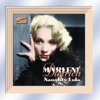
Marlene Dietrich, Marlene Dietrich - Naughty Lola (1928-1941)
The Berlin-born singer and actor known for the songs of The Blue Angel, who refused the Nazi regime and moved to America.
-

1960
Bert Kaempfert, Wonderland By Night
An easy-listening album by German bandleader Bert Kaempfert’s orchestra. Issued in the US by Decca in autumn 1960, the title track spent three weeks at No. 1 on the Billboard Hot 100 from January 1961, and the album of the same name topped the mono album chart.
-

1962
Karlheinz Stockhausen & Kölner WDR Symphony Orchestra, Stockhausen: Gesang der Jünglinge & Kontakte (Stereo Version)
Deutsche Grammophon’s pairing of Stockhausen’s Gesang der Jünglinge — realised at the WDR electronic music studio in Cologne in 1955–56 and premiered in WDR’s large hall on 30 May 1956 — with Kontakte.
-
1963
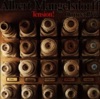
Albert Mangelsdorff Quintet, Tension
Trombonist Albert Mangelsdorff’s quintet, formed in 1961, recorded this in Frankfurt in July 1963 for German CBS, with Heinz Sauer and Günter Kronberg on saxophones; tracks include the title piece and “Club Trois.”
-

1968
Wolf Biermann, Chausseestraße 131
Blacklisted in East Germany and barred from studios, Wolf Biermann recorded these songs in his East Berlin flat on a Grundig tape machine with a microphone smuggled in from the West — street traffic is audible — and the tape was smuggled out and issued by Wagenbach in West Berlin.
-

1971
Can, Tago Mago
A Cologne band: members trained in contemporary music and Japanese singer Damo Suzuki shaped long improvisations and repeating grooves.
-

1972
Neu!, Neu!
A Düsseldorf duo. Their relentless straight beat — “motorik” — influenced post-punk and electronic music to come.
-

1972
Ton Steine Scherben, Keine Macht für Niemand
A 1972 double album from Ton Steine Scherben, recorded that spring in Hamburg and Berlin and released on the band’s own David Volksmund label. Its plain white cover earned it the nickname “die Weiße” — the white one.
-

1974
Cluster, Zuckerzeit
The first Cluster album completed after Dieter Moebius and Hans-Joachim Roedelius moved to the Lower Saxony village of Forst. Their early abrasive drones gave way to light, rhythmic pieces built on cheap drum machines and synths, with five tracks by each member.
-

1974
Eberhard Weber, The Colours Of Chloë
Bassist Eberhard Weber’s ECM debut, recorded in Ludwigsburg in December 1973 with cellists from the Südfunk Symphony Orchestra — a “symphonic jazz,” as AllMusic called it, that won the Deutscher Schallplattenpreis in 1975.
-
1977
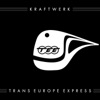
Kraftwerk, Trans-Europe Express
The Düsseldorf group pictured trains crossing Europe in machine rhythm — an album that deeply influenced New York hip-hop and Detroit techno.
-

1978
Nina Hagen Band, Nina Hagen Band
The debut of a singer raised in East Berlin, made after she moved West — her voice ranging from operatic to snarling.
-

1981
DAF, Alles ist gut
DAF’s first album as the duo of Gabi Delgado and Robert Görl, and their first for Virgin, recorded at Conny Plank’s studio. It includes the dance-club hit “Der Mussolini,” and the album spent 46 weeks on the German chart.
-
1984
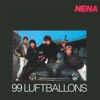
Nena, 99 Luftballons
From the Neue Deutsche Welle. “99 Luftballons,” about Cold War fears of nuclear war, became a worldwide hit in German.
-
1985
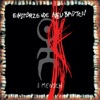
Einstürzende Neubauten, Halber Mensch
A West Berlin group who played scrap metal and power tools — the sound of a walled city.
-

1985
Falco, Falco 3
From Vienna. His pop with German-language rapping took “Rock Me Amadeus,” about Mozart, to No. 1 in America.
-
1985
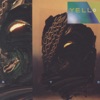
Yello, Stella
Yello’s fourth album — Dieter Meier on voice and words, Boris Blank on sound. It was the first album by a Swiss group to top the Swiss chart, and its track “Oh Yeah” went round the world via the film Ferris Bueller’s Day Off.
-
1995
Basic Channel, BCD
A Berlin duo who joined dub’s echoes to minimal techno, a lasting influence on the city’s electronic music after the Wall came down.
-

1995
Tocotronic, Digital ist besser
Tocotronic’s debut, issued by L’Age d’Or, the label at the heart of the Hamburger Schule: lo-fi punk-rock with ironic, diary-like German lyrics. Their second album followed only months later.
-

1995
Die Fantastischen Vier, Lauschgift
Die Fantastischen Vier’s 1995 album of German-language rap. It includes “Sie ist weg” and reached No. 2 on the German album chart.
-
1997
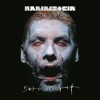
Rammstein, Sehnsucht
A band of musicians from the former East Germany: heavy guitars, electronics and rolled-r German vocals that won a global following.
-

2001
Fennesz, Endless Summer
Vienna-based Fennesz, on the Austrian label Mego, combines guitar and laptop to bury sunny pop melodies under glitch and noise. Named after the 1960s surf film, it topped many year-end polls.
-

2001
Seeed, New Dubby Conquerors
Seeed came out of Berlin’s young dancehall scene in 1998. Their debut album followed the success of “Dickes B,” their ode to the city, reaching No. 17 in Germany and going gold.
-

2002
Herbert Grönemeyer, Mensch
Herbert Grönemeyer’s album after losing his wife and brother — one of the best-selling albums in German history.
-

2003
Ellen Allien, Berlinette
Ellen Allien’s second solo album, on BPitch Control. Its title signals her bond with Berlin, and it moves beyond minimalism, layering glitchy breakbeats with guitar, synths and vocals.
-
2003
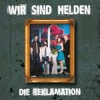
Wir sind Helden, Die Reklamation
Wir sind Helden’s debut, released after the title track of their self-released 2002 EP Guten Tag became a radio hit and they signed to an EMI imprint. It climbed to No. 2 in Germany.
-

2008
Peter Fox, Stadtaffe
The solo album by Seeed’s Peter Fox; “Haus am See” became a national song about Berlin daily life.
-

2009
Soap&Skin, Lovetune for Vacuum
The debut of Anja Plaschg, raised on a farm in Styria and living in Vienna as a teenager: songs written between 2005 and 2008, rendered in piano, voice and electronics. It reached the upper reaches of the Austrian chart.
-

2013
Nils Frahm, Spaces
Berlin-based composer Nils Frahm’s live recordings, layering piano and synths in improvisation.
-

2014
Haftbefehl, Russisch Roulette
Offenbach rapper Haftbefehl, over beats by Bazzazian. The album reached No. 4 in Germany and drew enthusiastic reviews, with Austria’s Falter calling him one of the most exciting figures in German hip-hop.
-
2022
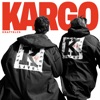
Kraftklub, KARGO
Chemnitz band Kraftklub, who mix rock, rap and indie, returned from a creative break with this more melancholy record. It went straight to No. 1 in Germany, making four albums in a row since 2012 to top the chart.
-

2023
Nina Chuba, Glas
Nina Chuba broke through in 2022 when her single “Wildberry Lillet” spent four weeks at No. 1 in Germany. This debut album, released in February 2023, topped the album charts in Germany and Austria.
-

2026
Die Toten Hosen, Trink aus, wir müssen gehen!
Billed as the last studio album by Düsseldorf band Die Toten Hosen, released in May 2026. It gave them their 13th No. 1 on the German album chart and was Germany’s most successful album of the first half of 2026.