Central & Eastern Europe
Poland · Czechia · Slovakia · Hungary
Under socialism, jazz and rock grew their own way while dealing with censorship. Hungary’s táncház folk movement, Kraków klezmer, and the songs and underground bands of Prague that stood for freedom.
34 recordings, 1961–2025
-

1961
Andrzej Kurylewicz Quartet, Somnambulists
A Muza LP recorded in Warsaw on 23 February 1961: singer Wanda Warska with pianist Andrzej Kurylewicz, bassist Jan Byrczek and drummer Andrzej Dąbrowski.
-

1961
Czech Philharmonic Orchestra & Karel Ančerl, Janáček: Taras Bulba & Sinfonietta (Mono Version)
Karel Ančerl and the Czech Philharmonic in Janáček’s Sinfonietta and the rhapsody Taras Bulba, recorded at the Rudolfinum in Prague for Supraphon in 1961 and still cited as a benchmark Taras Bulba.
-

1963
Krzysztof Komeda, Ballet Etudes - The Music Of Komeda: A Jazz Message From Poland Presented By An International Quintet
Polish pianist Krzysztof Komeda’s “Ballet Etudes,” first played at Warsaw’s Jazz Jamboree in 1962, recorded in Copenhagen in May 1963 by an international quintet with trumpeter Allan Botschinsky. It also includes “Crazy Girl.”
-

1969
Omega, 10000 lépés
A Budapest band. “Gyöngyhajú lány” (Pearls in Her Hair) became an emblem of Eastern Bloc rock and was later covered in the West.
-

1969
Marta Kubišová, Songy a balady
A Czech singer. Her “Prayer for Marta,” tied to the Prague Spring, became a song of resistance — and she was banned from performing for some twenty years.
-

1969
Karel Kryl, Bratříčku, Zavírej Vrátka
Karel Kryl’s debut; the title song was written in response to the August 1968 invasion. Issued by Panton, it was soon banned and pulled from shops, yet the songs spread anyway, and Kryl went into exile in 1969. The cover photo is by Josef Koudelka.
-
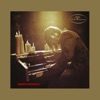
1970
Czesław Niemen, Enigmatic
The Polish singer set a poem by Cyprian Norwid to Hammond organ and choir in the long “Bema pamięci żałobny – rapsod.”
-

1973
Zbigniew Namysłowski, Winobranie
Saxophonist Zbigniew Namysłowski’s quintet, recorded in Warsaw in February 1973 with Tomasz Szukalski and others, and issued by Polskie Nagrania. Namysłowski also plays cello and piano.
-

1978
The Plastic People of the Universe, Egon Bondy’s Happy Hearts Club Banned
A Prague band that worked unofficially; the arrest of its members helped spark the Charter 77 human-rights movement. This album was released in the West.
-

1982
Brygada Kryzys, Brygada Kryzys
Brygada Kryzys’s debut, recorded in Warsaw and issued by the state label Tonpress in 1982, under martial law. Lyrics by Tomasz Lipiński, music by Robert Brylewski; its cover earned it the name “the Black Album.”
-

1983
Maanam, Nocny patrol
Maanam, founded by guitarist Marek Jackowski with Kora as singer and lyricist. The album is heard as capturing the mood of martial-law Poland; critic Piotr Metz counts it among the best albums in Polish rock history.
-

1983
Republika, Nowe Sytuacje
Republika’s debut, with Grzegorz Ciechowski on vocals, piano and flute, was recorded over three months from June 1982 and released by Polton in 1983. An austere new-wave record, it sold well despite costing more than four times as much as comparable releases, drawing long queues at a Warsaw record shop.
-
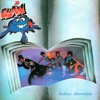
1985
Elán, Hodina slovenčiny
Elán, called Slovakia’s most successful band, released “Slovak Language Class” in 1985. It was the last of the four early albums made with co-founder Vašo Patejdl, who then left the band for 11 years.
-

1988
Kult, Spokojnie
Kult, formed by Kazik Staszewski in 1982, released Spokojnie in December 1988. Mixing rock with ska, jazz, reggae and folk, it contains one of their best-known songs, “Arahja,” and came out late in a communist era when censors banned many of their songs.
-
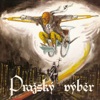
1988
Pražský výběr, Straka V Hrsti
The second album by Pražský výběr, the band founded by Michael Kocáb, grew out of their score for Juraj Herz’s film Straka v hrsti. Recorded in 1982, it was banned by the communist government and only released by Panton in 1988.
-

1992
Kispál és a Borz, Föld Kaland Ilyesmi
The second album by Kispál és a Borz, formed in Pécs in 1987. András Lovasi’s surreal, many-layered lyrics drew critical and commercial success, and it ranks high in polls of the best Hungarian albums.
-

1993
Muzsikás with Márta Sebestyén, Dúdoltam én
A group from the táncház movement — city people learning village dance music — with its best-known singer.
-

1997
Tomasz Stańko, Litania: Music of Krzysztof Komeda
A trumpeter who once played in Komeda’s band revisits his music — a link in the line of Polish jazz.
-

1997
Iva Bittová & Vladimír Václavek, Bílé Inferno
A double album by Iva Bittová and Vladimír Václavek, with guests including cellist Tom Cora and a girls’ choir, moving between folk song and the avant-garde.
-

2001
Věra Bílá & Kale, Rovava
Romani singer Věra Bílá, born in Rokycany, with her band Kale — traditional Romani songs and new compositions, mostly in Romani. The title means “I’m gonna cry.”
-

2001
Čechomor & Jaz Coleman, Proměny
Produced by former Killing Joke frontman Jaz Coleman and recorded with the Czech Philharmonic’s Collegium, Čechomor’s album sets their electrified traditional songs in orchestral colour; the title duet with Lenka Dusilová was a hit. It won three Anděl awards in 2001 — group, album and song of the year.
-

2002
Pat Metheny & Anna Maria Jopek, Upojenie
Polish singer Anna Maria Jopek’s album with Pat Metheny, released by Warner Music Poland in 2002 and later internationally on Nonesuch. Metheny said it went gold on its day of release, and it topped Poland’s OLiS chart.
-

2002
Tomasz Stańko Quartet, Soul of Things
Tomasz Stańko with the young Polish rhythm section he had played with since 1994 — Marcin Wasilewski, Sławomir Kurkiewicz and Michał Miśkiewicz. Recorded at Rainbow Studio in Oslo in August 2001 for ECM, it is a suite of variations on one theme.
-
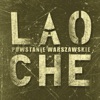
2005
Lao Che, Powstanie Warszawskie
The Polish band Lao Che’s concept album following the 1944 Warsaw Uprising day by day.
-

2008
Marcin Wasilewski Trio, January
The trio that had backed Tomasz Stańko, now billed as the Marcin Wasilewski Trio, recorded this for ECM at Avatar Studios in New York in February 2007, including tunes by Gary Peacock, Ennio Morricone, Prince and Carla Bley.
-
2014
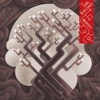
Jana Kirschner, Moruša: Čierna
The “black” second half of Slovak singer Jana Kirschner’s two-part Moruša project (2013–14), produced by British musician Eddie Stevens. It won the Radio_Head Award for Album of the Year (critics’ choice).
-

2015
Warsaw Village Band, Sun Celebration
Young Warsaw musicians who learned old village singing and fiddle styles and play them with fierce voices.
-

2016
Taco Hemingway, Marmur
The first studio album from Taco Hemingway, who had previously given all his releases away free online. Preceded by “Deszcz na betonie,” it came out in November 2016 and went platinum in Poland.
-

2019
Kroke, Rejwach
A trio from Kraków’s old Jewish quarter, Kazimierz, adding improvisation and other musics to klezmer.
-

2019
Hania Rani, Esja
The solo-piano debut of Gdańsk-born pianist and composer Hania Rani, named after an Icelandic mountain.
-

2020
Mata, 100 dni do matury
The debut of rapper Mata (Michał Matczak), released on SBM Label in January 2020. It entered Poland’s OLiS chart at No. 1, was the most-streamed album by a Polish artist on Spotify in 2020, and went diamond in 2022.
-

2021
Brodka, Brut
Monika Brodka’s fifth album, released in May 2021 and recorded at Flesh and Bone Studios in London with producer Ole Bayston: an icy, industrial electro-pop that recalls 1980s post-punk and EBM.
-

2023
Azahriah, memento
Azahriah’s album, released on 1 May 2023, went to No. 1 on Hungary’s MAHASZ album chart; according to Telex he was the country’s most-streamed domestic artist that year.
-

2025
Pezet, Muzyka Popularna
Polish rapper Pezet’s seventh solo album: 22 tracks shaped by 19 producers, with guests across generations from Mata and Kaz Bałagane to the band Happysad. It came out alongside a CANAL+ documentary about him and won the 2026 Fryderyk for hip-hop album.