North India & Pakistan
Delhi · Varanasi · Mumbai · Lahore · Kolkata
Hindustani classical music — improvisation built on raga (melodic frameworks) and tala (rhythmic cycles) — Sufi qawwali, and film song that grew up with the cinema.
A rhythm of this region: Teentaal (16 beats)
33 recordings, 1936–2021
-

1936
Saraswati Devi, Achhut Kanya (Original Motion Picture Soundtrack)
Songs from Bombay Talkies’ film directed by Franz Osten, a love story across caste lines starring Devika Rani and Ashok Kumar in his screen debut. The music is by woman composer Saraswati Devi; “Main Ban Ki Chidiya” became a popular favourite.
-

1938
K.L.Saigal & Kanan Devi, Street Singer
Songs from New Theatres of Calcutta’s 1938 film starring K. L. Saigal and Kanan Devi, with music by R. C. Boral. Saigal sang “Babul Mora” live on set with the orchestra rather than through playback.
-

1943
Anil Biswas, Kismet (Original Motion Picture Soundtrack)
Songs from Bombay Talkies’ film; Anil Biswas’s score is credited with bringing the full chorus into Hindi cinema. Kavi Pradeep’s “Door Hato Ae Duniya Walo” slipped its patriotism past British censors by naming “Germans or Japanese,” and the film ran for more than three years at the Roxy in Calcutta.
-

1949
Khemchand Prakash, Mahal (Original Motion Picture Soundtrack)
Songs from Kamal Amrohi’s film for Bombay Talkies; composer Khemchand Prakash died months before its release. Lata Mangeshkar’s “Aayega Aanewala” became a huge hit, pushing records and radio to start crediting playback singers.
-
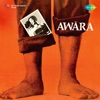
1951
Shankar–Jaikishan, Awara
Songs from the 1951 Hindi film Awaara, composed by Shankar–Jaikishan with lyrics by Shailendra. Mukesh’s title song “Awara Hoon” became a craze not only across the subcontinent but in the Soviet Union, China and Turkey, spawning local-language versions.
-

1953
Lata Mangeshkar, Lata Mangeshkar - The Nightingale of India
The playback singer who recorded songs for Hindi films across many decades, known as the “Nightingale of India.”
-
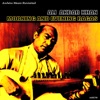
1955
Ali Akbar Khan, Morning and Evening Ragas
The sarod master recorded this in the US at Yehudi Menuhin’s invitation — known as the first serious recording of Indian classical music presented in America.
-

1956
Ravi Shankar, Three Ragas
An early landmark by the sitar master. George Harrison later studied with him — a turning point in Indian music’s influence on world pop.
-
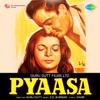
1957
S. D. Burman, Pyaasa
Songs from Guru Dutt’s Pyaasa: S. D. Burman’s music to words by the poet Sahir Ludhianvi, the last collaboration of the pair. Geeta Dutt, Mohammed Rafi and Hemant Kumar sing, with Rafi’s “Jinhen Naaz Hai Hind Par” among the songs.
-

1957
Naushad, Mother India
Naushad’s music for the Indian film Mother India (1957), with lyrics by Shakeel Badayuni — including “Duniya Mein Hum Aaye Hain,” sung by Lata Mangeshkar with her sisters Meena and Usha.
-

1958
Salil Chowdhury, Madhumati
Songs from Madhumati, a film scripted by Bengali director Ritwik Ghatak, composed by Bengali Salil Chowdhury, who won the Filmfare award for best music director. Lata Mangeshkar won best female playback singer for “Aaja Re Pardesi.”
-

1960
Naushad, Mughal-e-Azam
Songs from K. Asif’s Mughal-e-Azam, composed by Naushad to Shakeel Badayuni’s lyrics. Classical master Bade Ghulam Ali Khan sang for a film for the only time, and Lata Mangeshkar’s “Pyar Kiya To Darna Kya” grew from a folk song of eastern Uttar Pradesh.
-

1966
Ravi Shankar & Yehudi Menuhin, West Meets East
Ravi Shankar’s sitar meets Yehudi Menuhin’s violin in duets built on raga — a Grammy winner in the chamber music category.
-

1967
Shivkumar Sharma, Brij Bhushan Kabra & Hariprasad Chaurasia, Call of the Valley
Santoor, slide guitar and bansuri masters depict a day in the life of a Kashmiri shepherd — one of the most widely heard Indian classical recordings.
-

1972
Ghulam Mohammed & Naushad, Pakeezah
The music of the Hindi film Pakeezah: Lata Mangeshkar’s voice and courtly melodies made it a classic of film song.
-

1984
Nazia Hassan & Zoheb Hassan, Young Tarang
An album by Pakistani siblings Nazia and Zoheb Hassan, co-written with Biddu: Urdu-language disco pop, said to be the first Pakistani album released with music videos.
-

1987
Ustad Bismillah Khan, Various Ragas
The Varanasi master who raised the shehnai — a reed instrument of weddings and temples — to the classical concert stage.
-

1987
Zakir Hussain, Making Music
Tabla player Zakir Hussain’s album as leader for ECM, recorded in Oslo in December 1986 with bansuri master Hariprasad Chaurasia, John McLaughlin and Jan Garbarek.
-

1989
Nusrat Fateh Ali Khan, Shahen-Shah
The great Pakistani singer of qawwali, Sufi devotional song. Released on Real World, his voice rising to ecstasy astonished the world.
-

1989
Vital Signs, Vital Signs 1
Vital Signs’ debut, recorded at EMI Studios in Karachi, sung by Junaid Jamshed and produced by Rohail Hyatt. Home to the patriotic “Dil Dil Pakistan,” it is often called the starting point of Pakistani pop.
-

1993
Hariprasad Chaurasia & Zakir Hussain, Live From Savai Gandharva Festival 1992
The master of the bansuri bamboo flute with Zakir Hussain on tabla, live at Pune’s celebrated Savai Gandharva festival.
-

1993
Ry Cooder & Vishwa Mohan Bhatt, A Meeting by the River
Jaipur’s Vishwa Mohan Bhatt on his mohan veena — a guitar he redesigned — meets Ry Cooder’s slide guitar in a single night of improvisation.
-

1996
Lucky Ali, Sunoh
Lucky Ali’s debut, turned down by many labels before BMG Crescendo took it on. “O Sanam” became a huge hit, the album stayed 60 weeks on the MTV Asia charts — a non-film pop record succeeding in a film-song market.
-

1997
Junoon, Azadi
Pakistan’s Junoon joined Sufi poetry and rock and won huge popularity across South Asia.
-

2000
Abida Parveen, Raqs-e-Bismil
Pakistan’s great Sufi singer, voicing the poetry of the mystics with a deep, powerful voice.
-

2000
Kishori Amonkar, Born To Sing: Raga Bhimpalasi
Jaipur gharana singer Kishori Amonkar live at Kensington Town Hall, London, in 2000, unfolding the afternoon raga Bhimpalasi at length.
-

2000
Indian Ocean, Kandisa
The second album by Indian band Indian Ocean. The title track draws on a Syrian Christian hymn from Kerala — “kandisa” is Aramaic for “holy” — and the record remains a touchstone of Indian independent rock.
-

2004
Shironamhin, Jahaji
Dhaka band Shironamhin’s debut, released in 2004 after every major label in the city had turned it down. A young sailor stands in for the middle-class job-seeker in songs about life in Dhaka; “Hashimukh” became widely known.
-

2004
Rabbi Shergill, Rabbi
Rabbi Shergill’s debut. “Bulla Ki Jaana,” set to a poem by the Sufi saint Bulleh Shah, became a word-of-mouth hit, and an album pressed in an initial run of 10,000 went on to sell over 100,000.
-

2013
Anoushka Shankar, Traces of You
Sitarist Anoushka Shankar’s album made just after her father Ravi Shankar’s death, with her half-sister Norah Jones singing.
-

2015
The Local Train, Aalas Ka Pedh
The debut of The Local Train, formed in Chandigarh in 2008 — Hindi-language pop-rock recorded with band-contest prize money, which became one of the best-selling independent albums of its year.
-

2016
Bipul Chettri, Maya
The second album by Darjeeling’s Bipul Chettri, self-released: Nepali-language folk songs about love and the hills of home, all sung by Chettri himself.
-

2021
Arooj Aftab, Vulture Prince
Raised in Lahore and based in New York, she sings old Urdu poetry over quiet instruments; “Mohabbat” won a Grammy.