Lusophone Africa
Angola · Mozambique · Cabo Verde · Guinea-Bissau
Music from former Portuguese colonies that share a language and a history of independence struggles: Angolan semba, Mozambican marrabenta, and the melancholy morna of Cabo Verde.
29 recordings, 1972–2023
-

1972
Bonga, Angola 72
An Angolan singer and former athlete who recorded this in exile in the Netherlands during the war of independence, singing of home and freedom in a husky voice.
-
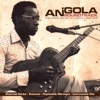
1973
Various Artists, Angola Soundtrack: The Unique Sound of Luanda 1968–1976
Songs recorded in Luanda around independence: interlocking-guitar semba and sounds that absorbed Latin music and rock.
-

1974
Bonga, Angola 74
Bonga’s second album, recorded in exile from the Portuguese and Angolan colonial authorities for Dutch label Morabeza; like Angola 72, it was dedicated to those fighting for Angola’s freedom.
-

1976
Os Tubarões, Pépé Lopi
The debut of Cape Verde’s Os Tubarões, released the year after independence. Through Ildo Lobo’s voice, songs such as “Labanta Braço” (Raise your arms) carried the new nation’s pride and its Creole song.
-
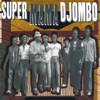
1977
Super Mama Djombo, Super Mama Djombo
A band that won national fame in newly independent Guinea-Bissau, singing in Kriol with the pride of a new nation.
-

1984
Bulimundo, Compasso Pilon (Musica Popular de Cabo-Verde)
A 1984 album by Cape Verdean band Bulimundo, led by guitarist Katchás, who electrified funaná — a rural dance music of diatonic accordion and ferrinho scraper long looked down on as peasant music — and carried it beyond the countryside. Coladeiras and mornas sit between the funaná tracks.
-

1988
Cesária Évora, La Diva aux pieds nus
Cape Verdean singer Cesária Évora’s album for Lusafrica, the Paris label José da Silva founded in 1988. The title — “the barefoot diva” — comes from her habit of performing without shoes. Led by “Bia Lulucha,” it sold 3,000 LPs within the Cape Verdean community.
-

1992
Cesária Évora, Miss Perfumado
A singer from Mindelo, Cabo Verde, who took the stage barefoot and sang morna — songs of longing and parting — becoming a global star after 50.
-
1992
Waldemar Bastos, Pitanga Madura
A singer from northern Angola, singing his love for a homeland torn by civil war with beautiful melodies.
-

1993
Ghorwane, Majurugenta
A Mozambican band giving Maputo’s marrabenta dance music a powerful modern sound with horns.
-

1995
Paulo Flores, Inocenti
Luanda-born Paulo Flores brought the semba of the 1960s–70s back into 1990s Angola, with songs that watch city life under civil war — and helped lay the road to kizomba.
-
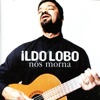
1997
Ildo Lobo, Nós Morna
Once the voice of Cape Verde’s Os Tubarões, he sang morna — the islands’ song of longing — in a deep, open voice.
-

1998
Eduardo Paim, Mujimbos
An album by Eduardo Paim — born in Brazzaville to Angolan parents and widely called the father of kizomba — who first reached audiences in Portugal with his 1991 debut, Luanda, Minha Banda, and followed it with a run of hit albums.
-
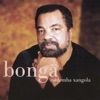
2001
Bonga, Mulemba Xangola
Bonga, who sang for Angolan independence from exile in the 1970s, made this for Lusafrica: his husky voice and the scraped dikanza carry all the ache and lift of semba.
-

2003
Cesária Évora, Voz d’Amor
Cape Verde’s “barefoot diva” sings the islands’ melancholy morna; a Grammy winner.
-
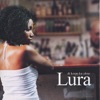
2005
Lura, Di Korpu Ku Alma
Lisbon-born singer Lura, of Cape Verdean roots, sings the islands’ rhythms — batuque and funaná.
-

2005
Sara Tavares, Balancê
Lisbon-born Sara Tavares, of Cape Verdean descent, sings light-footed guitar songs in Portuguese and Kriolu.
-

2005
Tcheka, Nu Monda
Tcheka’s follow-up to Argui transfers batuku — the Santiago island rhythm traditionally beaten by women — onto guitar, also exploring tabanka and talulu; it won him the RFI world music award.
-
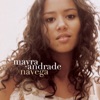
2006
Mayra Andrade, Navega
A Cabo Verdean singer’s debut, giving island songs like morna and coladeira a fresh sound touched by jazz and Brazilian music.
-
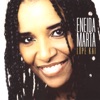
2006
Eneida Marta, Lôpe Kaï
Guinea-Bissau singer Eneida Marta’s third album and her first international release, on French label Iris Music — the record that opened her country’s music to a worldwide audience.
-

2006
Lura, M'Bem Di Fora
Lura sings Santiago island’s once-banned rhythms — batuku and accordion-driven funaná — with arrangements and production by Nando Andrade, bandleader for Cesária Évora.
-
2008
Buraka Som Sistema, Black Diamond
Buraka Som Sistema from the Lisbon suburbs carried kuduro, Angola’s dance music, into Europe’s clubs.
-
2008
Stewart Sukuma, Nkhuvu
Mozambican singer Stewart Sukuma’s follow-up to his debut Afrikiti, from an artist known for joining Afro-pop to marrabenta, Mozambique’s own genre.
-

2011
Titica, Chão
The debut of Luanda dancer and singer Titica, a trans woman who took a stage name meaning “useless” to reclaim it — fierce electronic kuduro that caught on from Angola to Portugal and Brazil.
-

2014
Yola Semedo, Filho Meu
Angolan singer Yola Semedo from Lobito sings kizomba and R&B ballads with a powerful voice — Angola Music Awards Album of the Year.
-

2014
Elida Almeida, Ora Doci Ora Margos
Discovered singing in a bar in Praia, Elida Almeida from Santiago island made this debut: batuku drums, accordion-driven funaná and morna, in a young, open voice.
-
2018
Dino d’Santiago, Mundu Nôbu
Raised in a Cape Verdean family in southern Portugal, Dino d’Santiago rebuilt funaná and batuku with electronics, singing in Creole and Portuguese — the soundtrack of a mixed, Creole Lisbon.
-

2022
Pongo, Sakidila
The debut album of Pongo, Angolan-born and Lisbon-based, who first gained notice working with Buraka Som Sistema from 2008. Released on Virgin, it mixes kuduro with Afrobeats and funk.
-
2023
Kimi Djabaté, Dindin
Born into a griot family in Tabato, Guinea-Bissau, and based in Lisbon, the balafon player and singer sets gumbe and Afrobeat grooves to songs in Mandinka and Creole about children and women’s rights.