Australia & Aotearoa
Sydney · Melbourne · Arnhem Land · Auckland
Song rooted in Indigenous cultures tens of thousands of years old, and the didgeridoo of the north, bush ballads and rock brought by settlers — and from the 1980s, bands singing in Indigenous languages reached the charts. Across the sea, Māori song lives on in Aotearoa (New Zealand).
35 recordings, 1949–2026
-

1949
Various Artists, Tribal Music of Australia
Aboriginal songs and music recorded in Arnhem Land by University of Sydney anthropologist A. P. Elkin. Issued by Folkways in 1953, it was the first available LP of traditional Aboriginal music, with didjeridu pieces and ceremonial songs.
-

1952
Various Artists, Maori Songs of New Zealand
Māori songs recorded by the New Zealand Broadcasting Service with the Department of Māori Affairs and issued by Folkways: oriori lullabies, waiata, laments, haka, karakia and a canoe-hauling song.
-

1957
Slim Dusty, A Pub with No Beer
From New South Wales, the leading voice of the bush ballad about life in the outback; the title song was a hit at home and abroad.
-

1962
Howard Morrison Quartet, Maori Songs
The Howard Morrison Quartet, with members drawn from Rotorua, sing Māori songs such as “Pokarekare Ana” and “Po Atarau (Now Is the Hour)” as a vocal quartet, on Auckland’s La Gloria label.
-

1977
The Saints, (I'm) Stranded
The Brisbane band’s debut: demos cut over two days at Window Studios in 1976 that EMI chose to release as they were. It reached the shops ahead of The Damned’s first album, making it one of the very first punk LPs.
-

1979
AC/DC, Highway to Hell
A band formed in Sydney whose simple, ferocious riffs carried Australian rock around the world.
-

1980
Split Enz, True Colours
Split Enz’s album produced by David Tickle: Neil Finn’s “I Got You” went to No. 1 in Australia and New Zealand, and the album topped both charts for weeks. The northern-hemisphere pressing came with a design laser-etched into the vinyl.
-

1980
Cold Chisel, East
Cold Chisel’s album produced by Mark Opitz with the band, including “Choirgirl” and “Cheap Wine.” It reached No. 2 in Australia, spent 63 weeks on the chart and is described as the biggest-selling Australian album of 1980.
-

1981
Herbs, What's Be Happen?
The debut by Herbs, a multi-ethnic line-up representing “urban Polynesia,” recorded at Mascot Studios in Auckland and released just before the 1981 Springbok tour. Its cover shows the police eviction of the Bastion Point occupiers, and its songs take on police harassment and apartheid.
-

1985
Warumpi Band, Big Name, No Blankets
Warumpi Band, formed in Papunya in the Northern Territory in 1980, released this debut on Midnight Oil’s Powderworks label. It includes the single “Blackfella/Whitefella”; their 1983 single is often called the first rock song in an Aboriginal language.
-

1987
Midnight Oil, Diesel and Dust
A Sydney band whose “Beds Are Burning,” about Aboriginal land rights, became a worldwide hit.
-

1988
Kev Carmody, Pillars of Society
Aboriginal singer-songwriter Kev Carmody’s debut, made at 42 as a scathing response to the 1988 Bicentenary, includes “Thou Shalt Not Steal” and “Black Deaths in Custody.” Critic Bruce Elder called it arguably the best protest album ever made in Australia.
-

1988
The Go-Betweens, 16 Lovers Lane
The Go-Betweens’ album recorded in Sydney over 1987–88 with producer Mark Wallis and released on Beggars Banquet, with Grant McLennan and violinist Amanda Brown more to the fore. It includes the single “Streets of Your Town.”
-

1990
Archie Roach, Charcoal Lane
One of the “Stolen Generations,” taken from his family as a child. His song “Took the Children Away” helped Australia face its history.
-

1990
The Chills, Submarine Bells
The Chills’ second album, produced by Gary Smith and their first major-label release in the US, through Slash. It topped the New Zealand chart, and opener “Heavenly Pop Hit” reached No. 17 on Billboard’s alternative chart.
-

1990
The Clean, Vehicle
The first full-length album by New Zealand’s The Clean, released by Flying Nun and Rough Trade — David and Hamish Kilgour with Robert Scott — cut in a few days in London in July 1989 at the invitation of Rough Trade’s Geoff Travis. The cover painting is by David Kilgour.
-

1991
Yothu Yindi, Tribal Voice
A band of Yolngu people from Arnhem Land and non-Indigenous members; “Treaty,” joining Yolngu song and rock, was a hit.
-

1993
Moana and the Moahunters, Tahi
Moana Maniapoto’s group with Mina Ripia and Teremoana Rapley wove haka, poi and te reo Māori into hip-hop and pop on this debut, which includes “Black Pearl,” a tribute to Māori women, and “AEIOU (Akona te Reo).” It won the Taite Prize classic record award in 2019.
-

1994
Hirini Melbourne & Richard Nunns, Te Kū Te Whē
A Māori scholar-composer and a musician revived the sounds of traditional Māori instruments that had almost fallen silent.
-

1995
Christine Anu, Stylin’ Up
The debut of Torres Strait Islander singer Christine Anu; “Island Home” became a beloved Indigenous Australian song.
-
1998
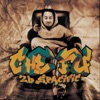
Che-Fu, 2 B.S. Pacific
The first solo album by Auckland singer Che Fu, of Māori and Niuean descent, after leaving Supergroove. Released on BMG, it reached No. 2 in New Zealand and went double platinum. “Scene III” won single of the year at the 1999 New Zealand Music Awards.
-

2005
Fat Freddy’s Drop, Based on a True Story
A Wellington band mixing dub, soul and jazz in long jams; this self-released album was a huge hit in New Zealand.
-

2008
Geoffrey Gurrumul Yunupingu, Gurrumul
A blind singer from Elcho Island. His first solo album, sung quietly in Yolngu languages, moved Australia deeply.
-

2012
Hiatus Kaiyote, Tawk Tomahawk
The debut of a Melbourne quartet who brought intricate rhythm and harmony to neo-soul, catching musicians’ ears worldwide.
-

2013
Lorde, Pure Heroine
A 16-year-old from suburban Auckland; spare tracks about suburban teenage life, with the worldwide hit “Royals.”
-

2015
Tame Impala, Currents
Made almost single-handedly by Perth’s Kevin Parker, moving from psychedelic rock towards synth-led dance pop.
-

2015
Hiatus Kaiyote, Choose Your Weapon
The Melbourne band’s second album: Nai Palm’s voice over odd meters and shifting harmony — a new shape for jazz and soul.
-

2015
Courtney Barnett, Sometimes I Sit and Think, and Sometimes I Just Sit
Courtney Barnett’s debut, released on Milk! Records, the label she started in Melbourne with money borrowed from her grandmother. It landed on many best-of-year lists and earned a Grammy nomination for best new artist.
-

2018
Alien Weaponry, Tū
Aotearoa’s Alien Weaponry sing in te reo Māori of ancestral battles and colonial history.
-

2019
Thelma Plum, Better in Blak
The debut by Brisbane-born Gamilaraay singer-songwriter Thelma Plum reached No. 4 on the ARIA chart and went gold; at the 2019 ARIA Awards it drew six nominations and won best cover art.
-

2021
Baker Boy, Gela
Baker Boy from Arnhem Land raps and dances in English and Yolŋu Matha.
-

2021
Genesis Owusu, Smiling With No Teeth
The debut of Ghanaian-Australian rapper and singer Genesis Owusu from Canberra, released on Ourness. It won four ARIA Awards in 2021, including Album of the Year, and the A$30,000 Australian Music Prize.
-

2022
King Stingray, King Stingray
King Stingray’s debut, sung in English and Yolŋu Matha and recorded across the Northern Territory, Brisbane and Byron Bay: self-styled “Yolŋu surf rock” that blends rock with traditional manikay. It reached No. 6 on the ARIA chart and won the Australian Music Prize.
-

2025
Lorde, Virgin
The Auckland singer’s fourth album, looking again at body and self through pared-back electronics.
-

2026
Eddy Current Suppression Ring, In Light of Recent Events
Melbourne four-piece Eddy Current Suppression Ring’s first album in seven years, dropped via their own Suppression Records in May 2026 with almost no warning. Grown out of weekly jams, it takes on modern anxiety and disillusionment; Rolling Stone Australia named it the front-runner among the year’s Australian albums so far.