LISTEN · DISCOVER · CONNECT
Coleman Hawkins | Essential albums and listening guide
Explore Coleman Hawkins through The Hawk Flies High. Discover what to listen for and follow related styles to your next record.
Coleman Hawkins
Meet the artist
He was a pioneer who established the tenor saxophone as a solo instrument. His improvisational solos in “Body and Soul” became one of the foundations for subsequent jazz improvisations. A full, centered tone carries improvisations that actively explore chord movement.
Rather than merely embellishing a tune, he builds new lines from its harmony. Even ballads remain active beneath their stately surface. His swing-era identity retained its authority alongside musicians using newer languages. The contrast with Lester Young's lighter approach makes the tenor an especially clear example of jazz's early diversity of individual voices.
Where to start listening
Begin with the saxophone's full tone and follow the direction of its longer lines. Listen for the soloist's response when the accompaniment changes.
 1957
1957The Hawk Flies High
Coleman Hawkins
J.J. Johnson and other young bebop generations are featured on the Riverside album. This is an ambitious work where a master of swing boldly challenged the grammar of modern jazz.
Open this album in the Atlas →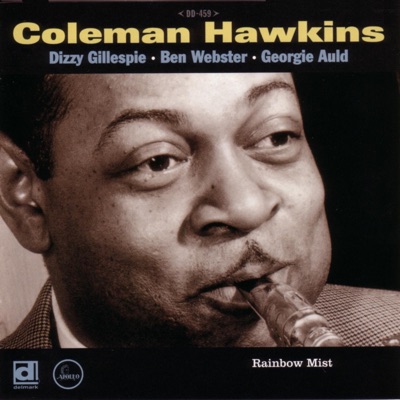 1944
1944Rainbow Mist
Coleman Hawkins
This is an album compilation, focusing on recordings from 1944, played by Dizzy Gillespie and Max Roach. It holds historical significance as one of the earliest records of bebop music.
Open this album in the Atlas →
Years follow the Atlas catalogue. Recording dates, original release dates and digital reissue dates may differ.