LISTEN · DISCOVER · CONNECT
Mulatu Astatke | Essential albums and listening guide
Explore Mulatu Astatke through Mulatu of Ethiopia. Discover what to listen for and follow related styles to your next record.
Mulatu Astatke
Meet the artist
After receiving music education in London, New York, and Boston, he established the Ethio-jazz style, which combines the five-tone scale of Ethiopia with jazz and Latin music. He is considered the “father of Ethiopian jazz”. Distinctive Ethiopian melodic patterns meet jazz harmony and Latin rhythm.
Soft vibraphone, short horn themes and repeated bass figures create a groove that can feel both familiar and unfamiliar. The exchange between study abroad and musical life at home underpins this identity. Danceable ease and unusual melodic shading coexist, showing how jazz can develop new forms through African urban musical cultures.
Where to start listening
Let the repeating rhythms and gradually familiar melodies guide you. Picking out individual instrumental colors reveals small changes within each pattern.
 1972
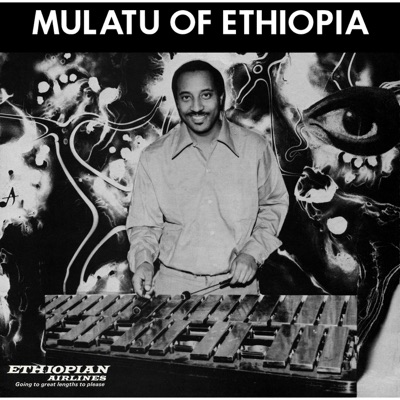
1972Mulatu of Ethiopia
Mulatu Astatke
It was recorded in New York by Mulatu Astatke. This is a significant work that established Ethiopian jazz internationally. It combines the rhythms of Latin and funk music with Ethiopian musical scales.
Open this album in the Atlas → 2013
2013Sketches of Ethiopia
Mulatu Astatke
Mulatu Astatke’s recent performances with the British band “Steps Ahead” and traditional instrument players. It represents the current state of Ethiopian jazz.
Open this album in the Atlas →
Years follow the Atlas catalogue. Recording dates, original release dates and digital reissue dates may differ.