LISTEN · DISCOVER · CONNECT
1940s jazz | The energy of bebop
Listen not only to fast tempos but also to the fine detail of melody and rhythm. These compact recordings offer a way into the give-and-take of soloists and bands.
Recordings to explore this era
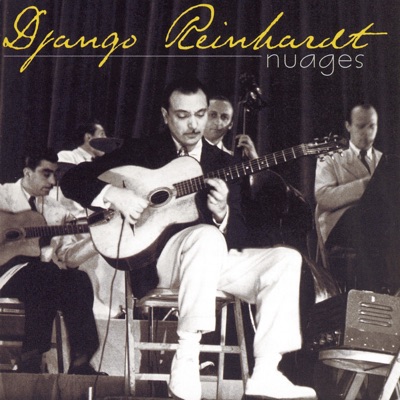 1940
1940Nuages
Django Reinhardt
A hit recorded in Nazi-occupied Paris. With Grappelli absent, the group was reconfigured around the clarinet for this defining performance.
Open this album in the Atlas →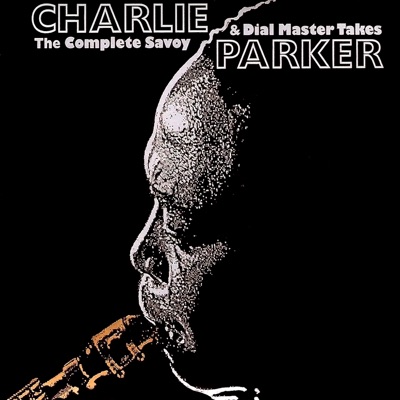 1945
1945Ko-Ko
Charlie Parker
Recorded in 1945, this defining early bebop performance features Charlie Parker’s extraordinary alto saxophone solo.
Open this album in the Atlas →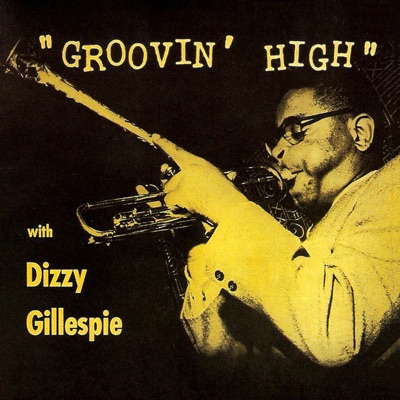 1945
1945Groovin' High
Dizzy Gillespie
A collection of recordings made by Galespie and Parker in 1945. These are monumental sessions that first truly documented the new musical style known as bebop.
Open this album in the Atlas →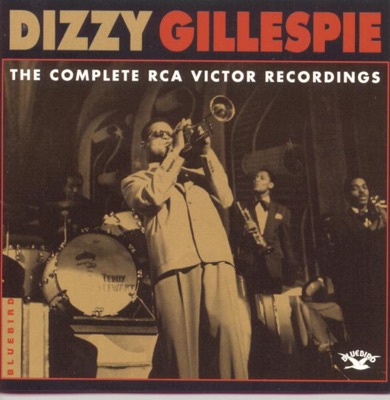 1947
1947Manteca
Dizzy Gillespie / Chano Pozo
A collaboration between Galespi and Chano Pozo. This is an original recording of Afro-Cuban jazz, which successfully introduced the rhythms of the clarinet into the jazz style.
Open this album in the Atlas →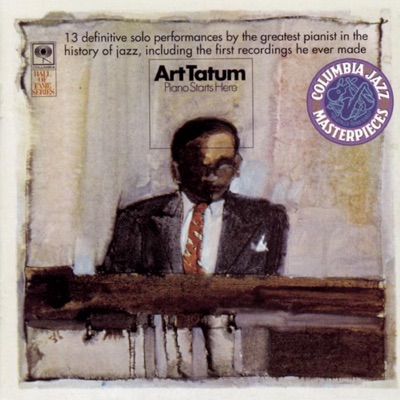 1949
1949Piano Starts Here
Art Tatum
A solo piano collection that includes the first recorded performance in 1933 and a concert recording in 1949. It showcases the virtuosic skills of the pianist from his youth until his mature period.
Open this album in the Atlas →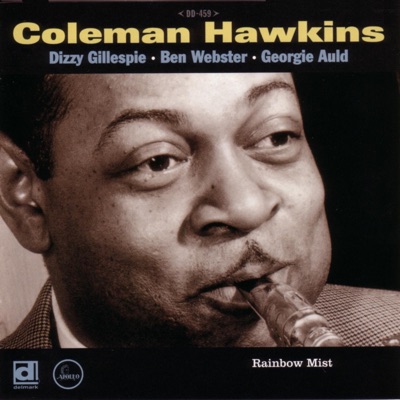 1944
1944Rainbow Mist
Coleman Hawkins
This is an album compilation, focusing on recordings from 1944, played by Dizzy Gillespie and Max Roach. It holds historical significance as one of the earliest records of bebop music.
Open this album in the Atlas →
Years follow the Atlas catalogue. Recording dates, original release dates and digital reissue dates may differ.