The Andes
Peru · Bolivia · Ecuador · Chile
Highland huayno on quena and charango, Afro-Peruvian music, and chicha — cumbia meeting the Amazon. In the 1960s–70s the socially engaged Nueva Canción movement spread through Chile and Bolivia.
A rhythm of this region: Huayno (2/4)
26 recordings, 1959–2021
-

1959
Los Huasos Quincheros, Vintage World No. 118 - LP: Chile Canta, Tonadas
The first LP by Los Huasos Quincheros, a Chilean folk group founded in 1937 that had previously recorded only singles and acetates. Issued by Odeón in 1959, it was, according to the label, one of its best-selling records of the 1960s.
-
1964
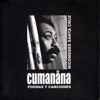
Nicomedes Santa Cruz, Cumanana
Poet and décima master Nicomedes Santa Cruz recorded this set with families of Afro-Peruvian performers and guitarist Carlos Hayre, documenting Afro-Peruvian verse and song.
-

1966
Violeta Parra, Las últimas composiciones
The Chilean singer who collected folk songs from across the country and wrote her own; this album, with “Gracias a la vida,” became a source of the Nueva Canción movement.
-

1970
Quilapayún, Santa María de Iquique. Cantata Popular
Luis Advis’ cantata, performed by Quilapayún with narration by actor Héctor Duvauchelle, tells of the 1907 army massacre of nitrate miners at the Santa María school in Iquique. Mixing a classical form with Andean instruments, it is an emblem of Chilean nueva canción.
-

1971
Víctor Jara, El derecho de vivir en paz
The Chilean singer-songwriter, whose title song protested the Vietnam War; he was killed after the 1973 coup.
-

1972
Juaneco Y Su Combo, El Gran Cacique
The first LP by Juaneco y Su Combo of Pucallpa in the Peruvian Amazon, made after signing to Infopesa. It includes “Mujer Hilandera,” a Spanish version of Brazil’s “Mulher Rendeira,” and the psychedelic “Vacilando con Ayahuasca.”
-

1975
Los Mirlos, Cumbia Amazónica
A band from Moyobamba in the Peruvian Amazon, leading lights of chicha — electric-guitar cumbia laced with jungle birdsong and effects.
-

1976
Chabuca Granda, Chabuca Granda
The Lima composer and singer whose songs, built on vals criollo and Afro-Peruvian rhythms, include many of Peru’s best-loved.
-

1981
Los Kjarkas, Canto a la Mujer de Mi Pueblo
The Bolivian Andean group. Its song “Llorando se fue” later became a world hit under another name (see the thread of influence).
-
1981
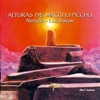
Los Jaivas, Alturas de Macchu Picchu
The Chilean band sets Pablo Neruda’s poem to Andean instruments and progressive rock.
-

1981
Los Shapis, Los Auténticos
The debut of Los Shapis, formed in Huancayo in Peru’s central highlands in 1981, on Lima’s Discos Horóscopo. One of the early chicha records, mixing cumbia with Andean tradition and electric guitars; “El Aguajal” became the band’s signature.
-
1984
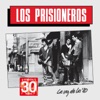
Los Prisioneros, La Voz de los ’80
The Chilean band’s debut voiced the youth of the Pinochet years and became a classic of Spanish-language rock.
-

1995
Los Tres, La Espada & la Pared
Los Tres’ third album, co-produced with Mario Breuer and recorded in Argentina, includes “Déjate Caer.” Rolling Stone Chile ranked it tenth among the 50 best Chilean albums.
-

1997
Susana Baca, Susana Baca
A singer of Afro-Peruvian music, the songs and rhythms grown by descendants of enslaved Africans, sung with quiet passion.
-

2000
Uchpa, Qukman Muskiy
Led by former policeman Fredy Ortiz, Uchpa sing entirely in Quechua over Andean-rooted rock. Recorded in Lima and including “Corazón Contento,” the album made them known across Peru.
-

2001
Susana Baca, Lamento Negro
Early recordings by Susana Baca, who has spent her life reviving the music of Afro-Peru; the reissue won the Latin Grammy for folk.
-

2004
Eva Ayllón, Eva! Leyenda Peruana
Peruvian singer Eva Ayllón’s first US album won a German critics’ award for best traditional recording. She has been nominated ten times for the Latin Grammy for Best Folk Album.
-

2005
Los Bunkers, Vida de Perros
The fourth album by Concepción band Los Bunkers, with “Llueve sobre la Ciudad,” “Miéntele” and “Ven Aquí.” Released in the US and Mexico as well, its unexpected success there changed the band’s course.
-

2006
Novalima, Afro
Lima’s Novalima rebuild Afro-Peruvian songs and cajón with dub and electronics.
-

2010
Javiera Mena, Mena
Chilean singer Javiera Mena’s second album moved toward the dance floor with disco strings, synths and drum machines. Lead single “Hasta la Verdad” was one of her earliest songs; the record became a landmark of new Chilean pop.
-

2012
Dengue Dengue Dengue, La Alianza Profana
The debut of Lima duo Rafael Pereira and Felipe Salmón fuses Peruvian chicha and cumbia with dub, UK bass and techno. Issued in Peru on Auxiliar, it was re-released worldwide by Berlin’s Chusma the following year.
-

2014
Ana Tijoux, Vengo
French-born, Chile-raised rapper Ana Tijoux takes on colonialism and patriarchy over Andean instruments and jazz.
-

2015
Mon Laferte, Mon Laferte, Vol. 1
Chile-born, Mexico-based Mon Laferte sings old Latin American forms — bolero, cumbia — with a rock sensibility.
-

2015
Nicola Cruz, Prender el Alma
Ecuadorian producer Nicola Cruz turns Andean flutes, drums and ritual song into slow-moving electronic music.
-

2019
Mateo Kingman, Astro
Mateo Kingman, raised in Macas in the Ecuadorian Amazon, weaves percussion recalling the Shuar music of his childhood into trap-tinged beats on his second album, with Gustavo Santaolalla as a guest. Released on ZZK’s AYA imprint.
-

2021
Mon Laferte, 1940 Carmen
Chilean singer Mon Laferte wrote and self-produced this album in Los Angeles during her pregnancy, naming it after the address of the house she stayed in. Sung in Spanish and English, it was nominated for the Grammy for Best Latin Rock or Alternative Album.