Río de la Plata
Argentina · Uruguay
Tango, born where immigrants’ music mixed in the ports of Buenos Aires and Montevideo; Uruguayan candombe; Argentine folklore; and rich new fusions with rock and jazz.
A rhythm of this region: 3-3-2 (tango)
39 recordings, 1930–2026
-

1930
Carlos Gardel, Souvenir de Carlos Gardel
The legendary singer who established tango as song; his 1920s–30s recordings and films carried the tango voice around the world.
-

1932
Carlos Gardel, Carlos Gardel – Gems
The “King of Tango.” From the 1910s to the 1930s he shaped the sung tango, the tango-canción, and became an international film star.
-

1941
Aníbal Troilo, Aníbal Troilo y su Orquesta Típica 1941–1942
The orchestra of bandoneón player Aníbal Troilo — one of the defining orquestas of tango’s 1940s golden age.
-

1958
Los Chalchaleros, Los Chalchaleros (1958)
Los Chalchaleros, formed in the northern province of Salta in 1948, issued this self-titled record in 1958, drawing on traditional Argentine forms such as the zamba, cueca and chacarera. Their debut album had come out in 1953.
-

1962
Aníbal Troilo & Roberto Grela y su Cuarteto Típico, La Trampera
Bandoneonist Aníbal Troilo and guitarist Roberto Grela played as a duo from 1953, later as a quartet. After twelve pieces cut in 1955–56, they reunited in 1962 with new sidemen to record ten more for their second RCA Victor LP.
-

1964
Ariel Ramírez & Los Fronterizos, Misa Criolla
Ariel Ramírez’s mass, written in 1963–64, recorded for Philips with the vocal group Los Fronterizos and Ramírez directing from the keyboard, coupled with his “Navidad Nuestra”. It became an immediate worldwide success.
-

1965
Atahualpa Yupanqui, Atahualpa Yupanqui
The giant of Argentine folklore who sang, with one guitar, the lives and solitude of the people of the pampas and the Andes.
-

1969
Astor Piazzolla, Adiós Nonino
Bandoneón player and composer Astor Piazzolla renewed tango with classical and jazz techniques — nuevo tango. The title piece, for his father, is among his best known.
-

1970
Almendra, Almendra
The debut by Luis Alberto Spinetta’s band — one of the starting points of Argentine rock sung in Spanish.
-

1972
Eduardo Mateo, Mateo Solo Bien Se Lame
A Montevideo singer-songwriter who joined candombe, bossa nova and post-Beatles pop in his own way — a legend of Uruguayan music.
-

1973
Pescado Rabioso, Artaud
Luis Alberto Spinetta’s more acoustic album, released under the Pescado Rabioso name for legal reasons after the band had already split. Rolling Stone Argentina ranked it No. 1 among the greatest albums of Argentine rock.
-

1974
Astor Piazzolla, Libertango
Recorded in Milan while Piazzolla was living in Italy. The title track — later Grace Jones’s “I’ve Seen That Face Before” and much more — became the tango known the world over.
-

1975
Mercedes Sosa, 30 años
Argentina’s “voice of Latin America,” singing the songs of the Nueva Canción movement with great power; she was forced into exile under military rule.
-

1979
Serú Girán, La Grasa de las Capitales
Serú Girán’s second album — Charly García, David Lebón, Pedro Aznar and Oscar Moro — is best known for “Viernes 3 AM” and “Noche de Perros,” the former briefly banned by the dictatorship. Rolling Stone Argentina placed it 17th among the greatest Argentine rock albums.
-

1983
Charly García, Clics Modernos
Released the year military rule ended. Recorded in New York, it brought new wave and electronics into Argentine rock and opened a new era.
-

1985
Rubén Rada, La Yapla Mata
Uruguayan singer Rubén Rada lays rock, jazz fusion and soul over the candombe drum rhythms of Montevideo. It is known for “Tengo un candombe para Gardel.”
-

1986
Astor Piazzolla, Tango: Zero Hour
The quintet album Piazzolla himself called the best record of his life.
-

1986
Patricio Rey y sus Redonditos de Ricota, Oktubre
The second album by the band led by Indio Solari and Skay Beilinson, recorded in Buenos Aires in 1985. It turned Los Redondos into a national phenomenon, and “Ji Ji Ji” became their signature song. Rolling Stone Argentina ranked it fourth among the greatest Argentine rock albums.
-

1990
Soda Stereo, Canción Animal
The Buenos Aires trio’s album with “De música ligera,” which made them the defining rock band of the Spanish-speaking world.
-

1991
Hugo Fattoruso & Rubén Rada, En blanco y negro
Two Montevideo masters bring candombe, the Afro-Uruguayan drum music, together with jazz and pop.
-

1992
Fito Páez, El Amor Después del Amor
Rosario-born Fito Páez — one of the best-selling rock albums in Argentine history.
-
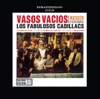
1993
Los Fabulosos Cadillacs, Vasos Vacíos
Buenos Aires’ Fabulosos Cadillacs; “Matador” became an anthem of Latin American rock.
-

1999
Mercedes Sosa, Misa Criolla
Ariel Ramírez’s Misa Criolla (1964), a Catholic Mass set to the folk rhythms of the Andes and the pampas, sung by Mercedes Sosa.
-

2000
Carlos Aguirre Grupo, Crema
The composer and pianist from Entre Ríos, Argentina, voices the folklore of the Paraná River like chamber music with translucent harmony.
-

2000
Damas Gratis, Para los Pibes
Ex-Flor de Piedra member Pablo Lescano wrote Damas Gratis’ debut while recovering from a motorbike accident. With the hit “Se Te Ve la Tanga,” the band became a standard-bearer of Argentine cumbia villera.
-

2001
Gotan Project, La Revancha del Tango
A Paris-based group of French, Swiss and Argentine musicians who set tango to electronic beats and found worldwide success.
-

2002
Bajofondo, Bajofondo Tango Club
Gustavo Santaolalla, Juan Campodónico and fellow Argentine and Uruguayan musicians play tango through electronics.
-

2003
Orquesta Típica Fernández Fierro, Destrucción Masiva
The second album by an orchestra founded in Buenos Aires during the 2001 crisis, modelled on 1950s bands such as Pugliese’s but played with the rawness of rock. Fully self-managed, it has run its own club near the Abasto since 2004.
-

2006
El Cuarteto de Nos, Raro
Uruguayan band El Cuarteto de Nos, working with producer Juan Campodónico, sped up their long, wordy lyrics with rap and hip-hop. The hit “Yendo a la Casa de Damián” carried them beyond Uruguay and Argentina.
-

2009
Mercedes Sosa, Cantora 1
The first of two duet albums made late in Mercedes Sosa’s life, with singers across borders and generations — Luis Alberto Spinetta, Caetano Veloso, Shakira and more.
-

2014
Chancha Vía Circuito, Amansara
Argentine producer Pedro Canale’s project grew out of digital cumbia; here he filters Latin America’s rural folk traditions and Andean music through spare electronic processing. It was released by Wonderwheel in the US.
-

2017
Juana Molina, Halo
Juana Molina’s seventh album, recorded at her home studio in Tigre and at Sonic Ranch in Texas, with her longtime live players and Deerhoof’s John Dieterich guesting. Released by Crammed Discs.
-

2019
WOS, Caravana
The debut of Argentine freestyle champion Wos (Valentín Oliva), made after he won the international Red Bull Batalla de los Gallos in 2018. Its songs of social protest won a Gardel Award, and he was nominated for the Latin Grammy for Best New Artist.
-

2022
Delfina Mancardo, OCTANTE
The debut of a young Argentine singer-songwriter: eight songs telling of a voyage through unknown waters, wrapped in strings, choir and jazz rhythm.
-
2022
Jorge Drexler, Tinta y Tiempo
The Montevideo-born, Madrid-based songwriter — who in 2005 won the first Oscar for a Spanish-language song, from The Motorcycle Diaries.
-

2023
Diego Schissi Quinteto, Apiazolado
Buenos Aires pianist-composer Diego Schissi’s quintet reimagines Piazzolla.
-

2024
Milo j, 166
Milo J’s second album, released on Dale Play Records, with “La Tola y El Velero” featuring Morad. It made him the most-nominated artist at the 2025 Premios Gardel, with nine nominations including Album of the Year.
-

2025
CA7RIEL & Paco Amoroso, PAPOTA
The Argentine duo’s EP, issued ahead of their Coachella debut, pairs new songs with the viral NPR Tiny Desk versions of “DUMBAI” and other hits. It won Best Alternative Music Album at the 2025 Latin Grammys and the 2026 Grammy for Best Latin Rock or Alternative Album.
-

2026
Trueno, TURR4ZO
Argentine rapper Trueno’s fourth album, a 14-track tour across genres built on samples from home, from Los Wachiturros’ “Tírate un Paso” to Los Abuelos de la Nada’s “Mil Horas”, with María Becerra and Neo Pistea among the guests.