Colombia & Venezuela
Caribbean coast · Cali · the Llanos
Cumbia and vallenato on the Caribbean coast, Pacific marimba, Cali salsa, and joropo from the Venezuelan plains. Cumbia spread across Latin America and changed shape everywhere it went.
30 recordings, 1950–2026
-

1950
Lucho Bermúdez, Lucho Bermúdez
The composer and clarinettist who brought the porro and cumbia of the Caribbean coast into the dance halls of Bogotá and Medellín with a big band.
-
1960
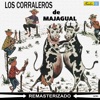
Los Corraleros de Majagual, Los Corraleros de Majagual
A band of musicians from the Caribbean coast whose cheerful accordion-and-horn cumbia and porro were danced all over Latin America.
-

1965
Alejandro Durán, Llévame
The accordionist crowned the first “king” of vallenato, singing the life of the cattle towns of the Caribbean coast.
-

1973
Fruko y sus Tesos, El Violento
Bassist Julio Ernesto “Fruko” Estrada leads his band with the vocal pairing of Joe Arroyo and Wilson “Saoko” Manyoma, on songs such as “Tronco Seco” and “Nadando” — early Colombian salsa at full force.
-

1974
Simón Díaz, Tonadas
A singer of the Venezuelan llanos who carried on the tonada, the herding work song; his “Caballo Viejo” was later loved far beyond Venezuela.
-
1978
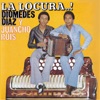
Diomedes Díaz & Juancho Rois, La Locura
Vallenato singer Diomedes Díaz’s first album with accordionist Juancho Rois, including “El Alma de un Acordeón,” brought him fame; the pair later reunited for many more hits.
-

1982
Andrés Landero, ¡Por Ahí Es Que Va... La Cosa!
The last of three albums for Discos Fuentes by singer and accordionist Andrés Landero, “the king of cumbia,” who kept renewing the accordion as a creative instrument.
-

1984
Grupo Niche, No Hay Quinto Malo
Grupo Niche’s 1984 album includes “Cali Pachanguero,” written by the band’s founder, composer and musical director Jairo Varela and since called an anthem of Colombian salsa.
-

1986
Joe Arroyo, Grandes Éxitos, Vol. 1
The Cartagena-born singer’s “Rebelión” (1986) tells a story from the age of slavery over salsa, and became a Colombian national classic.
-
1988
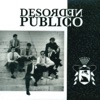
Desorden Público, Desorden Publico
The debut by Desorden Público, formed in Caracas in 1985 and described as Venezuela’s first ska band. Founded by underground DJs including Horacio Blanco, inspired by British ska and 2 Tone, they released it on CBS in 1988.
-

1990
Grupo Niche, Cielo de Tambores
Jairo Varela’s Grupo Niche, based in Cali since 1982, scored across Latin America with “Una Aventura,” “Cali Ají” and “Busca por Dentro,” and the album reached No. 3 on Billboard’s Tropical Albums chart.
-

1993
Totó La Momposina, La Candela Viva
A singer carrying on the drum-and-song traditions of the Caribbean coast; this Real World album revealed the Afro-Colombian roots of cumbia.
-

1993
Carlos Vives, Clásicos de la Provincia
The Santa Marta-born singer re-sang vallenato classics with a rock sensibility, bringing them to a new generation.
-

1996
Aterciopelados, La Pipa de la Paz
Bogotá’s Aterciopelados joined Andean and Caribbean sounds to rock and opened the way for Latin alternative.
-

1998
Shakira, ¿Dónde Están los Ladrones?
Barranquilla-born Shakira’s fourth album, with “Ojos Así” echoing her father’s Lebanese roots, made her a star across Latin America.
-

1998
Los Amigos Invisibles, The New Sound of the Venezuelan Gozadera
The Venezuelan band’s second album, released on David Byrne’s Luaka Bop after he came across their CD in a New York record store. Produced by Andrés Levin, it mixes funk, disco and Latin dance grooves.
-

2005
Grupo Bahía, Pura Chonta
Grupo Bahía, formed in 1987 and led by marimba and soprano sax player Hugo Candelario — winner of the first two Petronio Álvarez Pacific music festivals — dedicate this album to the marimba de chonta and the Pacific palm it is made from.
-

2006
Los Gaiteros de San Jacinto, Un Fuego de Sangre Pura
From the inland Caribbean town of San Jacinto: the Indigenous gaita flute and Afro-Colombian drums — the roots of cumbia.
-

2008
Bomba Estéreo, Estalla
A Bogotá band that spread “electro-cumbia,” fusing Caribbean-coast rhythm with electronics and rap.
-

2009
Systema Solar, Systema Solar
Systema Solar, formed in 2006 between Cartagena and Bogotá, came out of the Caribbean coast’s picó sound-system culture. Their debut mixes cumbia and champeta with hip-hop and techno; “Mi Kolombia” sings of Colombians struggling for US visas.
-

2012
Ondatrópica, Ondatrópica
A project of Colombia’s Mario Galeano and Britain’s Will Holland (Quantic), recording cumbia with veteran and young musicians in a historic Medellín studio.
-
2017
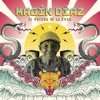
Magín Díaz, El Orisha de la Rosa
Bullerengue singer Magín Díaz’s first solo album, made in his nineties with guests including Carlos Vives and Totó la Momposina. It won the Latin Grammy for Best Recording Package, making him the oldest winner in the awards’ history.
-

2018
Kali Uchis, Isolation
Born in the US to Colombian parents and partly raised in Colombia, she moves freely between soul, bossa nova and reggaetón.
-

2020
Lido Pimienta, Miss Colombia
Toronto-based Colombian artist Lido Pimienta recorded mostly at home and partly in San Basilio de Palenque, the town founded by escaped slaves, with a spoken interlude by Rafael Cassiani of Sexteto Tabalá. Released on ANTI-.
-
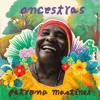
2021
Petrona Martínez, Ancestras
Bullerengue singer Petrona Martínez, past eighty, joined by women musicians from many places.
-

2021
Bomba Estéreo, Deja
Bomba Estéreo’s sixth album, following Amanecer and Ayo, inspired by nature and arranged in four parts named after water, air, earth and fire.
-
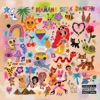
2023
Karol G, Mañana Será Bonito
Medellín’s Karol G scored a record-breaking hit for a Spanish-language album by a woman, and won the Latin Grammy for Album of the Year.
-

2023
Rawayana, ¿Quién trae las cornetas?
Venezuelan band Rawayana’s fifth album: 22 songs with guests including Danny Ocean, Monsieur Periné’s Catalina García and Servando Primera. It won the Grammy for Best Latin Rock or Alternative Album in 2025.
-

2025
Andrés Cepeda, BOGOTÁ
Colombian singer Andrés Cepeda’s tribute to his home city, co-produced with Andrés Torres and Mauricio Rengifo, mixes rock and pop with tropical rhythms. It won the Latin Grammy for Best Traditional Pop Vocal Album.
-

2026
Carlos Vives, El Último Disco Vol. 1
Carlos Vives’s May 2026 album, recorded with his whole band together in the studio, mixes vallenato, cumbia and pop-rock. Accordionist El Cocha Molina plays on the vallenato title track, and Juan Luis Guerra and Niña Pastori guest elsewhere.