Mexico
Mexico City · Jalisco · Veracruz · Oaxaca
Mariachi and ranchera, the son jarocho of Veracruz, norteño from the north. Mexico’s golden age of film and radio produced national song that crossed the border into US music.
A rhythm of this region: Sesquiáltera (6/8 against 3/4)
31 recordings, 1934–2026
-

1934
Lydia Mendoza, Mal Hombre and Other Original Hits from the 1930’s
A Mexican American singer from Texas whose 12-string guitar and songs such as “Mal Hombre” (1934) carried border music far and wide.
-

1959
Mariachi Vargas de Tecalitlán, Mariachi Vargas de Tecalitlán 1959
The great mariachi band born in Tecalitlán, Jalisco; its trumpets, violins and guitars became a symbol of Mexican music.
-

1961
Conjunto Medellín de Lino Chávez, Veracruz y sus sones
A leading son jarocho group from Veracruz: jarana guitars and harp ringing out the lively rhythm of the Gulf coast port.
-

1961
Chavela Vargas, Las 30 grandes de Chavela Vargas
Born in Costa Rica, she sang in Mexico, reinterpreting ranchera deeply and quietly with a single guitar.
-

1984
Juan Gabriel, Recuerdos II
Juan Gabriel’s nineteenth studio album, on Ariola Mexico, includes his signature “Querida” and is reported to be the best-selling album of all time in Mexico. It received a Grammy nomination in 1985.
-
1984
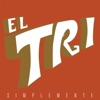
El Tri, Simplemente
The first studio album released under the name El Tri, Alex Lora’s band, issued by WEA. Lora’s heartbreak ballad “Triste canción” became an anthem of Latin rock and by far the band’s best-known song.
-

1984
Los Tigres del Norte, Jaula De Oro
Recorded in late 1983 and released by Fonovisa in February 1984. Enrique Franco’s title song, about a migrant earning money in the US but trapped in a “golden cage” he can no longer leave, inspired two films. It was the first No. 1 on Billboard’s Regional Mexican Albums chart.
-

1987
Linda Ronstadt, Canciones de Mi Padre
The Arizona singer with roots in Sonora recorded the songs of her father’s house with Mariachi Vargas de Tecalitlán and others — one of the best-selling Spanish-language albums in US history.
-

1991
Maldita Vecindad y Los Hijos del Quinto Patio, El Circo
The Mexico City band folded ska, pachuco culture and Mexican popular music into rock — a classic of rock en español.
-

1991
Luis Miguel, Romance
Luis Miguel’s collection of twelve boleros first recorded between 1944 and 1986, co-produced with Armando Manzanero. It spent 16 weeks at No. 1 on Billboard’s Latin Pop Albums chart, was the first Spanish-language record certified gold in Brazil, Taiwan and the US, and revived interest in the bolero.
-

1992
Caifanes, El Silencio
Caifanes’ third album, recorded at Royal Recorders in Lake Geneva, Wisconsin, with Adrian Belew producing and playing guitar. Home to “No Dejes Que” and “Nubes”, it is often cited as a key record of the rock en español movement.
-

1994
Café Tacvba, Re
A band from greater Mexico City whose album jumps between Mexican regional styles, punk and electronica — a classic of rock en español.
-
1997
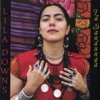
Lila Downs, La Sandunga
Raised between Oaxaca and the US, she sings Oaxacan traditional songs and in Indigenous languages.
-

1997
Los Tigres del Norte, Jefe de Jefes
The California-based norteño band, leading voices of the corrido — ballads of the border and migration.
-

1997
Molotov, ¿Dónde Jugarán las Niñas?
Molotov’s 1997 album mixed Spanish and English in obscene, scathing songs about sex, violence and corrupt politics; with its schoolgirl-uniform cover, it was banned by radio stations and record stores, and the band sold it on the street in protest.
-

1997
Control Machete, Mucho Barato
The debut by Control Machete, a trio formed in Monterrey in 1996 — Fermín IV, Pato and Toy Selectah — lacing Mexican riffs into hardcore hip-hop beats with political lyrics. “¿Comprendes Mendes?” became its best-known track.
-

2001
Celso Piña, Barrio Bravo
Monterrey’s “accordion rebel,” who rooted Colombian cumbia in northern Mexico and crossed it with hip-hop and ska.
-
2001
Nortec Collective, The Tijuana Sessions, Vol. 1
A collective from border town Tijuana that rebuilt norteño and banda sounds as electronic music.
-
2003
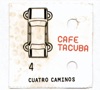
Café Tacvba, Cuatro Caminos
Café Tacvba’s fifth album, produced by Gustavo Santaolalla with Dave Fridmann (The Flaming Lips) and Andrew Weiss (Ween). It won the Grammy for Best Latin Rock/Alternative Album.
-

2006
Zoé, Memo Rex Commander y el Corazón Atómico de la Vía Láctea
Zoé’s third album, recorded at Sonic Ranch in Tornillo, Texas, with British producer Phil Vinall. It debuted at No. 1 in Mexican store sales, yielded “Vía Láctea”, and earned a Latin Grammy nomination for Best Alternative Music Album.
-

2007
Mexican Institute of Sound, Piñata
The second album by Camilo Lara’s Mexican Institute of Sound, built from samples of Mexican and Latin American folk music and mariachi horns and released by Nacional Records; it is credited with making Lara’s name.
-
2009
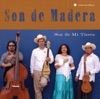
Son de Madera, Son de Mi Tierra
Son de Madera, the son jarocho group founded in Veracruz in 1992 by Ramón Gutiérrez and Laura Rebolloso, pair older farmer and rancher musicians with younger players on this Smithsonian Folkways release, which includes “La bamba”.
-

2012
Natalia Lafourcade, Mujer Divina – Homenaje a Agustín Lara
Boleros by the great Mexican songwriter Agustín Lara, sung anew with many guest singers.
-

2017
Natalia Lafourcade, Musas
The singer, born in Mexico City and raised in Veracruz, with the guitar duo Los Macorinos, singing old Latin American classics alongside her own songs.
-

2019
Natanael Cano, Corridos Tumbados
Natanael Cano’s second album, released by Rancho Humilde on Halloween 2019, strips out the tuba and accordion of the traditional corrido for guitar and bass alone. It entered the Mexican albums chart at No. 1 and reached No. 4 on Billboard’s Top Latin Albums.
-

2022
Silvana Estrada, Marchita
From Veracruz state; playing the Venezuelan cuatro, she pours the feeling of old Mexican song into new ones.
-

2022
Natalia Lafourcade, De Todas las Flores
Natalia Lafourcade’s album won Record of the Year and Best Singer-Songwriter Album, among others, at the 2023 Latin Grammys in Seville, and shared the 2024 Grammy for Best Latin Rock or Alternative Album with Juanes.
-

2023
Peso Pluma, GÉNESIS
A singer from Guadalajara whose “corridos tumbados” — the northern Mexican story-song made young — became global hits.
-

2024
Carín León, Boca Chueca, Vol. 1
A 19-track album by Carín León of Hermosillo, Sonora, mixing regional Mexican music with rock, country and pop, with guests from Pepe Aguilar and Panteón Rococó to Kane Brown and Leon Bridges. It won the Grammy for Best Música Mexicana Album and the Latin Grammy for Best Contemporary Mexican Music Album.
-

2025
Kevin Kaarl, ULTRA SODADE
Mexican singer-songwriter Kevin Kaarl’s independent album, again produced with his brother Bryan, takes its title from Cesária Évora’s “Sodade” and traces the stages of a break-up over 13 songs. Rolling Stone en Español ranked it second among the best Spanish-language albums of 2025.
-

2026
Mexican Institute of Sound & Meridian Brothers, Ruido Tovar
A collaboration between Camilo Lara’s Mexican Institute of Sound and Eblis Álvarez’s Meridian Brothers, released by Ansonia in May 2026. It playfully deconstructs Mexican tropical music of roughly 1972–82 and the legacy of Rigo Tovar with synthesizers and samples, with Beck on two tracks.