Gulf of Guinea
Ghana · Togo · Benin · Nigeria · Cameroon
A coast of port cities and popular music: Ghanaian highlife, Nigerian jùjú and Afrobeat, Benin’s vodun funk — and the Afrobeats that swept the world in the 21st century.
A rhythm of this region: Ewe bell pattern (12/8)
52 recordings, 1928–2026
-

1928
Various Artists, Living Is Hard: West African Music in Britain, 1927-1929
Between 1927 and 1929 Zonophone recorded West Africans living in Britain at Hayes, near London, and shipped nearly all the 78s to West Africa. Honest Jon’s reissued them from the EMI archive: songs in Yoruba, Ga, Twi, Hausa, Wolof and more.
-
1955
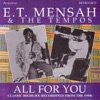
E.T. Mensah & The Tempos, All for You
Ghana’s “King of Highlife,” a trumpeter whose dance band absorbed calypso and jazz and was loved across West Africa around independence.
-

1961
Various Artists, Nigeria Freedom Sounds! Popular Music and the Birth of Independent Nigeria 1960-63
Soul Jazz Records’ 2016 survey of Nigerian popular music from independence in 1960 to 1963, when jùjú and apala mixed with Ghanaian highlife, calypso and mambo. It includes five tracks by I.K. Dairo and one by Victor Olaiya.
-

1962
I.K. Dairo & His Blue Spot Band, In the 60’s, Vol. 1
The Nigerian bandleader who added accordion to Yoruba song and talking drum and made jùjú a popular music.
-
1972
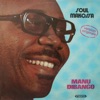
Manu Dibango, Soul Makossa
Cameroonian saxophonist Manu Dibango laid funk and jazz over makossa, the dance music of Douala. The title track caught fire in New York clubs and became a US hit — an early African crossover into global pop.
-

1973
Orchestre Poly-Rythmo de Cotonou, The Vodoun Effect
A band from the Beninese port of Cotonou, layering funk and Afrobeat over the rhythms of vodun ceremony.
-

1974
Celestine Ukwu, Ilo Abu Chi
Celestine Ukwu, called the philosopher of Igbo highlife in eastern Nigeria: unhurried, interlocking guitars under lyrics that weigh the impermanence of life and the emptiness of wealth.
-

1975
Gyedu-Blay Ambolley, Simigwa
The Ghanaian singer and saxophonist’s first solo album, on the storied Essiebons label: highlife pushed into James Brown-style funk, full of the heat of 1970s Ghanaian dance music.
-

1976
Fela Kuti & Africa 70, Zombie
The creator of Afrobeat fused jazz, funk and Yoruba rhythm into long grooves that satirised military rule. The title song likens soldiers to mindless “zombies.”
-

1976
Prince Nico Mbarga & Rocafil Jazz, Sweet Mother
Prince Nico Mbarga, of Cameroonian and Nigerian parentage, with Rocafil Jazz. The title song, a thank-you to mothers in Pidgin English released by an Onitsha label, is said to have sold over 13 million copies — one of Africa’s biggest hits.
-

1978
William Onyeabor, Who Is William Onyeabor?
A Nigerian musician who self-released synthesizer funk in the east of the country, rediscovered worldwide through this 2013 compilation.
-
1979
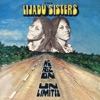
The Lijadu Sisters, Horizon Unlimited
The fifth album by Nigeria’s twin sisters, and their last of the era: songs that open on talking drum, with close harmonies in Yoruba and English and an eye on society.
-

1981
King Sunny Adé & His African Beats, Check “E”
King Sunny Adé turned Yoruba jùjú into big-band dance music. Released on his own label, this mesh of talking drums, pedal steel and interlocking guitars came just before his international debut on Island.
-
1983
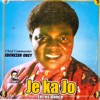
Ebenezer Obey, Je Ka Jo
Ebenezer Obey — with King Sunny Adé, the great name of Yoruba jùjú — released this internationally on Virgin: talking drums, layered guitars and moral lyrics in the style he called miliki.
-

1984
Sam Fan Thomas, Makassi
Recorded in Paris in 1983 by the Cameroonian singer-guitarist. His makassi — makossa at a faster clip — made “African Typic Collection” a dance-floor hit across Africa, France and the Caribbean.
-

1986
Alpha Blondy, Jerusalem
Ivorian Alpha Blondy recorded with The Wailers in Jamaica and became the leading voice of African reggae.
-

1988
Sikiru Ayinde Barrister, Fuji Garbage (Series 2)
Sikiru Ayinde Barrister created fújì out of wéré, the songs that wake the faithful during Ramadan. From his landmark Fuji Garbage series: long suites driven by percussion and call-and-response alone.
-

1989
Daddy Lumba & Nana Acheampong, Yee Ye Aka Akwantuom
The only album by the Lumba Brothers, Ghanaian singers Daddy Lumba and Nana Acheampong in Germany. Its title song was a huge hit back home, and helped spread synth-driven “burger highlife.”
-

1991
Angélique Kidjo, Logozo
The Beninese singer, based in Paris, brings funk and jazz to West African rhythm — the album that launched her international career.
-

1992
Les Têtes Brûlées, Bikutsi Rock
The Yaoundé band took bikutsi, the dance music of the Beti people, and played it with balafon-imitating guitars and rock energy — their white body paint making them known well beyond Cameroon.
-

1994
Ata Kak, Obaa Sima
Recorded at home near Toronto by Ghanaian Ata Kak and released on cassette in Ghana, it barely sold — until a copy found at a roadside stall in Cape Coast became a blog sensation and was reissued in 2015.
-

1998
Femi Kuti, Shoki Shoki
Fela’s eldest son Femi Kuti took his father’s Afrobeat worldwide in a faster, tighter form.
-
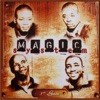
2000
Magic System, 1er Gaou
Abidjan’s Magic System self-financed this album after major labels turned it down. The title song — Nouchi slang for “first fool” — was a hit across Africa and later in France.
-
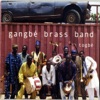
2001
Gangbé Brass Band, Togbé
Gangbé Brass Band, formed in Benin in 1994, salute their roots — togbé means ancestor — setting vodun rhythms and songs in Fon and Yoruba to jazz-style brass.
-
2002
Tony Allen, HomeCooking
The Lagos drummer who created Afrobeat with Fela Kuti. Based in Paris, he made it sound new, with London rappers among his guests.
-

2004
2Baba, Face 2 Face
The first solo album by 2Face Idibia (now 2Baba), formerly of Plantashun Boiz. The guitar ballad “African Queen” travelled far beyond Nigeria and opened the way for the country’s 2000s pop.
-

2007
Angélique Kidjo, Djin Djin
Benin’s Angélique Kidjo named this Grammy winner after the sound of the bell that greets a new day.
-
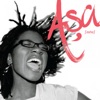
2007
Aṣa, Aṣa
The debut of Nigerian singer-songwriter Aṣa, produced by Cobhams Asuquo: guitar-led songs blending soul, reggae and Yoruba, with “Jailer” finding a wide audience in France and beyond.
-

2008
Seun Kuti & Fela’s Egypt 80, Many Things
Fela Kuti’s youngest son leads his father’s band Egypt 80 on his debut, carrying Afrobeat to a new generation with faster tempos and shorter tracks than Fela’s epics.
-
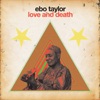
2010
Ebo Taylor, Love and Death
The Ghanaian guitarist, active in highlife and Afrobeat since the 1960s, recorded with a Berlin band.
-

2011
Wizkid, Superstar
Wizkid’s debut, from Ojuelegba in Lagos, gathered hits like “Holla at Your Boy” and announced the generation that would carry Nigerian Afrobeats through the 2010s.
-
2012
Sarkodie, Rapperholic
Ghanaian rapper Sarkodie’s second album earned 12 nominations at the Ghana Music Awards, winning three including Artist of the Year; he also became the first Ghanaian rapper to win a BET Award.
-

2014
Angélique Kidjo, Eve
Dedicated to the women of Africa, with choirs recorded in villages of Benin and Kenya.
-
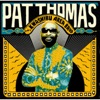
2015
Pat Thomas & Kwashibu Area Band, Pat Thomas & Kwashibu Area Band
Ghanaian singer Pat Thomas, active since the 1970s, makes new highlife with a young band.
-
2016
Brymo, Klĭtôrĭs
Brymo’s independently released fifth album, sung in English and Yoruba and rooted in Yoruba music, Afrobeat and soul; it was nominated at The Headies.
-

2017
King Ayisoba, 1000 Can Die
From Bolgatanga in northern Ghana, King Ayisoba sings to the two-string kologo. Here guluku drums meet electronics and hiplife, with Lee “Scratch” Perry on the title track.
-

2019
Burna Boy, African Giant
The Nigerian singer carries the legacy of Fela Kuti’s Afrobeat into Afrobeats blended with dancehall and hip-hop, winning a global audience.
-

2019
Blick Bassy, 1958
Cameroonian singer Blick Bassy sings in Bassa of 1958, the year independence leader Ruben Um Nyobè was killed.
-

2020
Burna Boy, Twice As Tall
From Port Harcourt in Nigeria, he won global fame with Afrobeat-rooted “Afro-fusion”; this album won a Grammy.
-
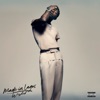
2020
Wizkid, Made in Lagos
Lagos star Wizkid; “Essence” with Tems became a global hit and sealed Afrobeats’ international rise.
-
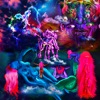
2020
Amaarae, The Angel You Don’t Know
Ghanaian-American singer Amaarae melts Afrobeats, R&B and punk with her whispering high voice.
-

2021
Ayra Starr, 19 & Dangerous
Ayra Starr’s debut album on Lagos label Mavin. Lead single “Bloody Samaritan” became the first solo song by a woman to top Nigeria’s TurnTable Top 50.
-
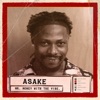
2022
Asake, Mr. Money With The Vibe
The Lagos singer’s debut, joining Nigerian fuji and Yoruba choral singing to South African amapiano.
-
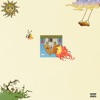
2022
Rema, Rave & Roses
Nigerian Rema’s debut; “Calm Down” became a record-setting global hit for an African song.
-
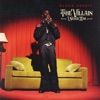
2022
Black Sherif, The Villain I Never Was
The debut of Black Sherif from Konongo, Ghana: drill beats laced with highlife and reggae melody, songs of self-reckoning — “Kwaku the Traveller” held No. 1 in Nigeria for weeks.
-

2022
Cruel Santino, Subaru Boys : FINAL HEAVEN
The second album by Cruel Santino, a leading figure of Nigeria’s alté scene: 21 tracks set in an Afrofuturist underwater world, with guests including Skepta and Amaarae.
-
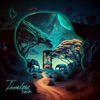
2023
Davido, Timeless
The Lagos-raised star’s fourth album, folding in amapiano and other South African sounds, was hailed, in Afrobeats’ global moment, as one of his most accomplished records.
-
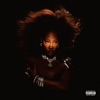
2024
Tems, Born in the Wild
The debut album of a Lagos singer-songwriter whose deep voice links R&B and Afrobeats.
-
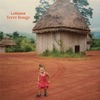
2024
Lubiana, Terre Rouge
The second album by a Belgian-Cameroonian singer and kora player, drawing on childhood summers in Cameroon with pop and African tradition; Gaël Faye and Toumani Diabaté guest.
-
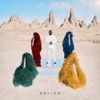
2025
Davido, 5ive
Nigerian star Davido’s fifth album, released through Columbia and Sony, drew 15.03 million global Spotify streams on its first day, second only to Wizkid’s Morayo among Nigerian albums, and topped Spotify’s UK album chart.
-

2025
Florence Adooni, A.O.E.I.U. (An Ordinary Exercise In Unity)
Debut album by Florence Adooni, a Frafra singer from northeast Ghana raised in Kumasi. Philophon founder Max Weissenfeldt produced it with a young Kumasi band, setting her voice over psychedelic funk, polyrhythms and highlife guitar; Songlines gave it four stars.
-

2026
Lamisi, Let Us Clap
Ghanaian Afropop singer Lamisi’s album with producer Wanlov the Kubolor, released by Real World in February 2026. It sets the women’s clapping traditions of northern Ghana against studio electronics, celebrating female empowerment, and marks a radical reinvention of her sound.