Hawaiʻi
Oʻahu · Hawaiʻi Island · Maui
Chant and hula traditions joined by guitar and ukulele from the 19th century on. The steel guitar, born in Hawaiʻi, transformed the sound of country music and the blues.
29 recordings, 1931–2025
-

1931
Sol Hoʻopiʻi, Hawaiian Steel Guitar Favorites (1927–1936)
A Honolulu-born steel guitarist based in Los Angeles, popular for bringing jazz into Hawaiian music.
-

1957
Martin Denny, Exotica
Martin Denny’s combo, resident at the Shell Bar in Waikiki’s Hawaiian Village, cut this debut in just over three hours at Webley Edwards’s studio in Honolulu, adding the bird calls they had begun as an onstage joke. It reached No. 1 on the Billboard album chart in 1959.
-

1958
Arthur Lyman, Taboo
Arthur Lyman’s group recorded this in the aluminium geodesic dome at the Kaiser Hawaiian Village Hotel in Waikiki, using its natural three-second reverb. It reached No. 6 on the Billboard album chart and stayed on the chart for more than a year.
-
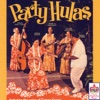
1965
Genoa Keawe, Party Hulas
Falsetto singer Genoa Keawe’s 1965 LP for Honolulu’s Hula Records introduced her signature “ʻAlika,” in which she holds a single note for about 14 seconds before breaking it into others. It has stayed in print since its release.
-

1969
The Sunday Manoa, Guava Jam
Peter Moon with brothers Robert and Roland Cazimero played Hawaiian-language mele and folk songs in a fresh setting here. The album is often credited with signalling the start of the Hawaiian Renaissance, the 1970s revival of Hawaiian language and culture.
-

1972
Hui Ohana, Young Hawaii Plays Old Hawaii
Ledward Kaʻapana and friends: slack-key guitar and lovely falsetto as a young generation took up old Hawaiian songs.
-
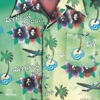
1974
CECILIO & KAPONO, Cecilio & Kapono
The debut by Honolulu duo Cecilio Rodriguez and Henry Kapono, issued on Columbia with Los Angeles session aces such as Leland Sklar and Russ Kunkel. Produced by Mike Stewart, it includes “Lifetime Party.”
-

1975
Gabby Pahinui, Gabby Pahinui Hawaiian Band, Vol. 1
The band of slack-key giant Gabby Pahinui — a symbol of the 1970s Hawaiian Renaissance, with Ry Cooder taking part.
-

1975
KALAPANA, Kalapana I
Kalapana’s debut, written mainly by Mackey Feary and Malani Bilyeu, captures the feel of island life through pop, rock, folk and jazz. It includes Feary’s “Nightbird” and “The Hurt.”
-
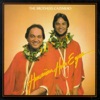
1982
The Brothers Cazimero, Hawaiian Hula Eyes
A 1982 album on Mountain Apple by The Brothers Cazimero, the duo of Roland and Robert Cazimero. Winners of 25 Nā Hōkū Hanohano Awards between them, the brothers are credited with helping to define modern Hawaiian culture.
-

1991
Kaʻau Crater Boys, Tropical Hawaiian Day
The first release by the Kaʻau Crater Boys — Ernie Cruz Jr. and ukulele player Troy Fernandez — named for the extinct crater above Oʻahu’s Pālolo Valley. The duo were active until 1997.
-
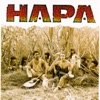
1992
Hapa, Hapa
The debut of Maui duo Barry Flanagan and Keli‘i Kaneali‘i, joining slack-key guitar and Hawaiian-language song to folk harmony.
-

1993
Israel Kamakawiwoʻole, Facing Future
The album by Hawaiian singer “IZ.” His ukulele medley “Somewhere Over the Rainbow / What a Wonderful World” is loved around the world.
-
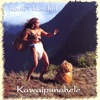
1994
Keali‘i Reichel, Kawaipunahele
A singer from Maui who is also a kumu hula (hula master). His debut, with songs in Hawaiian and a gentle voice, was a huge hit in the islands.
-

1994
Sonny Chillingworth, Sonny Solo
Slack-key master Sonny Chillingworth’s first solo recording, released in 1994 in George Winston’s Dancing Cat “Hawaiian Slack Key Guitar Masters” series. He died that August.
-

1995
Israel Kamakawiwo'ole, E Ala E
IZ’s third solo album, on Big Boy Records. Its title track — “wake up, rise up” — carried on his late brother Skippy’s sovereignty work and became an anthem of solidarity for Hawaiian people.
-
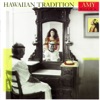
1997
Amy Hānaialiʻi Gilliom, Hawaiian Tradition
The breakthrough for Amy Hānaialiʻi Gilliom, the singer credited with reviving the female Hawaiian falsetto tradition, produced by Willie K. It was the first album sung entirely in Hawaiian to enter the Billboard world chart.
-

1999
Keola Beamer, Kolonahe: From the Gentle Wind
A guitarist from Hawai‘i’s musical Beamer family, carrying the quiet, rich sound of slack-key guitar.
-

2000
Ledward Ka'apana, Black Sand
Led Kaʻapana’s first solo studio album for Dancing Cat, named after the famous beach near his Kalapana birthplace: Hawaiian standards, family favourites and originals. It won the Nā Hōkū Hanohano award for instrumental album.
-

2006
Jake Shimabukuro, Gently Weeps
The Honolulu ukulele player whose solo Beatles cover spread widely online, showing the world what the ukulele could do.
-
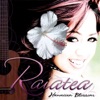
2007
Raiatea Helm, Hawaiian Blossom
A singer from Moloka‘i, noted as a young voice carrying on the traditional Hawaiian falsetto style.
-

2008
Tia Carrere & Daniel Ho, ’Ikena
Honolulu-born actor-singer Tia Carrere and Daniel Ho on ukulele and slack-key guitar, singing in Hawaiian.
-

2015
Kimié Miner, Kimie Miner
Hawaiian singer Kimié Miner’s second full-length album, following Distant Traveler (2009). It won Contemporary Album of the Year at the 2016 Nā Hōkū Hanohano Awards.
-

2016
Kalani Pe‘a, E Walea
Hilo-born singer Kalani Pe‘a joins Hawaiian-language song to soul; a Grammy winner.
-

2016
Josh Tatofi, Pua Kiele
Hawaiian singer Josh Tatofi’s album won Male Vocalist and Island Music Album of the Year at the 2017 Nā Hōkū Hanohano Awards, and earned a Grammy nomination for Regional Roots.
-

2017
Kimié Miner, Proud as the Sun
Kimié Miner’s album whose song “Bamboo” was named Song of the Year at the 2018 Nā Hōkū Hanohano Awards, where she was also named Female Vocalist of the Year.
-

2018
Kalani Pe'a, No 'Ane'i
Hawaiʻi Island singer Kalani Peʻa’s second album; the title means “we belong here.” Like his debut, it won the Grammy for Best Regional Roots Music Album.
-

2021
Kalani Pe'a, Kau Ka Pe'a
Kalani Peʻa’s third album, recorded during the pandemic in 2020–21, built around a voyaging theme with seven originals honouring aliʻi such as King Kalākaua and Kamehameha. It brought his third Grammy for Best Regional Roots Music Album.
-

2025
Ei Nei, Ei Nei, Look At Us
The second album by Ei Nei, the Hawaiian trio of Dane Fujiwara, Grant Kono and ʻEkolu Chang formed in 2016. It won Album of the Year and Island Music Album at the 2026 Nā Hōkū Hanohano Awards, where the group also took Group of the Year.