Iberia
Andalusia · Lisbon · Madrid
Flamenco, shaped by the Gitano people of Andalusia, and fado, sung in Lisbon’s harbour districts — two traditions of deeply sung sorrow at the south and west of the peninsula.
A rhythm of this region: Soleá compás (12 beats)
36 recordings, 1927–2026
-

1927
António Menano, Arquivos do Fado: António Menano (1927-1928) [Vol. V]
Recordings by António Menano, described by Lisbon’s Museu do Fado as the best-known singer of Coimbra fado, made in Paris in 1927, Lisbon in 1928 and Berlin in December 1928, with João Fernandes on Portuguese guitar and Mário Marques on guitar.
-

1929
Madalena de Melo & Maria Silva, Arquivos do Fado - As Fadistas de Lisboa (1928-1931) [Vol 3]
Volume 3 of Heritage’s “Arquivos do Fado” series, issued in 1994: women fado singers of Lisbon recorded in 1928–31. Madalena de Melo’s 1928 session took place at the São Luiz theatre in Lisbon, with Armandinho on Portuguese guitar.
-

1930
La Niña de los Peines, The First Lady of Flamenco
The Seville-born singer whose many recordings in the first half of the 20th century became a touchstone of flamenco song.
-
1937
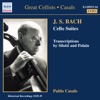
Pablo Casals, J.S. Bach: Cello Suites Nos. 1–6 Pablo Casals — J.S. Bach: Cello Suites Nos. 1–6
The first complete recording of Bach’s cello suites, by the Catalan cellist Pablo Casals. It lifted music long treated as study pieces into the heart of the cello repertoire.
-
1954
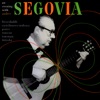
Andrés Segovia, An Evening with Andrés Segovia
A 1950s recital by the Andalusian guitarist who won the guitar — once a tavern and parlour instrument — its place on the concert stage.
-

1957
Amália Rodrigues, Amalia à l'Olympia (feat. Domingos Camarinha & Santo Moreira) [Live, Mono Version]
Fado singer Amália Rodrigues live at the Paris Olympia in 1956, accompanied by Domingos Camarinha on Portuguese guitar and Santos Moreira on viola, released by Columbia.
-

1967
Carlos Paredes, Guitarra Portuguesa
The Coimbra-born player who raised the Portuguese guitar, fado’s accompanying instrument, to a solo art.
-

1970
Amália Rodrigues, Com Que Voz
The “Queen of Fado,” setting the words of Portuguese poets — an album that raised fado’s artistry.
-
1971
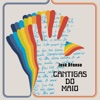
José Afonso, Cantigas do Maio
The Portuguese singer-songwriter whose “Grândola, Vila Morena” was broadcast on radio as a signal for the 1974 Carnation Revolution.
-
1971
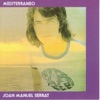
Joan Manuel Serrat, Mediterráneo
Joan Manuel Serrat’s eighth album, conceived in a Costa Brava hotel and recorded in a Milan studio. Rockdelux ranked it third among the 100 greatest Spanish albums of the 20th century, and it entered the Latin Grammy Hall of Fame in 2007.
-

1973
Paco de Lucía, Fuente y Caudal
The innovator of modern flamenco guitar; “Entre dos aguas” became a big hit in Spain and widened what flamenco guitar could be.
-
1979
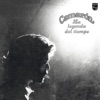
Camarón de la Isla, La Leyenda del Tiempo
Camarón brought rock and jazz instruments into flamenco song; controversial at first, it came to be seen as the starting point of new flamenco.
-

1984
Alaska y Dinarama, Deseo Carnal
The second album by Alaska y Dinarama, fronted by Alaska, a central figure of Madrid’s movida. It mixes new wave, punk and pop across ten songs, among them “Cómo pudiste hacerme esto a mí” and “Un hombre de verdad.”
-

1987
Camarón de la Isla, París 1987
Live at the Cirque d’Hiver, Paris, 1987: Camarón’s voice in his last years, with Tomatito on guitar, released after his death.
-

1987
Radio Futura, La Canción de Juan Perro
Madrid’s Radio Futura matured Spanish-language rock with Latin rhythms and story-telling lyrics.
-

1987
Pata Negra, Blues de la Frontera
Brothers Rafael and Raimundo Amador’s Pata Negra made this for Nuevos Medios, calling their blend of blues and bulería “blueslería.” Their last record together, it is regarded as a landmark of nuevo flamenco.
-
1990
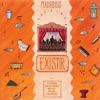
Madredeus, Existir
Madredeus’s second album, recorded in Lisbon: Teresa Salgueiro’s voice over classical guitar, keyboards, accordion and cello. It spent four weeks at No. 1 in Portugal, and “O Pastor” became a hit.
-
1990
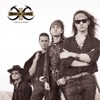
Héroes del Silencio, Senderos de Traición
Héroes del Silencio’s album produced by Roxy Music’s Phil Manzanera, opening with “Entre dos tierras” and “Maldito duende.” Juan Valdivia’s guitar carries Celtic, gothic and flamenco shades.
-

1992
Kiko Veneno, Échate un Cantecito
Kiko Veneno’s album, recorded in 1992 with producer Joe Dworniak and with backing from Radio Futura’s Santiago Auserón. Songs such as “Echo de menos,” “Joselito” and “En un Mercedes blanco” became hits.
-

1996
Enrique Morente & Lagartija Nick, Omega
A flamenco singer and a Granada rock band together, setting poems by Lorca and songs by Leonard Cohen.
-

1998
Kepa Junkera, Bilbao 00:00h
Basque accordionist Kepa Junkera’s two-disc tribute to his home city of Bilbao, involving more than 40 musicians — among them La Bottine Souriante, Béla Fleck, Carlos Núñez and Dulce Pontes.
-
1999
Ornatos Violeta, O Monstro Precisa de Amigos
The second album by Porto band Ornatos Violeta; Violent Femmes’ Gordon Gano sings in Portuguese on “Capitão Romance.” Blitz magazine named it album of the year and “Ouvi Dizer” song of the year.
-

2000
Mala Rodríguez, Lujo Ibérico
Mala Rodríguez came out of Seville’s late-1990s hip-hop scene; this debut, released on Universal, went gold and made her one of the first women rappers to succeed in Spain.
-
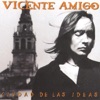
2000
Vicente Amigo, Ciudad de las Ideas
An album by guitarist Vicente Amigo, raised in Córdoba, who worked with Manolo Sanlúcar for ten years. It was nominated for the Latin Grammy for Album of the Year and won Best Flamenco Album.
-

2001
Mariza, Fado em Mim
The debut by the Mozambique-born, Lisbon-raised singer whose powerful traditional fado brought a new generation of the music to the world.
-

2002
Ojos de Brujo, Barí
A Barcelona collective mixing flamenco and rumba catalana with hip-hop and reggae; this self-released album made their name.
-
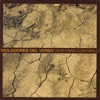
2006
Violadores del Verso, Vivir para Contarlo
The fourth LP by Violadores del Verso, the Zaragoza hip-hop group formed in 1997 — Kase.O, Lírico, Hate and R de Rumba. It went gold within ten days.
-

2012
Sílvia Pérez Cruz, 11 de novembre
The solo debut of Catalan singer Sílvia Pérez Cruz, singing in Catalan, Spanish and Portuguese with a profound voice.
-

2014
Paco de Lucía, Canción Andaluza
Paco de Lucía’s final album, released after his sudden death in February 2014: old Andalusian songs such as coplas, played and sung with affection.
-

2018
Rosalía, El Mal Querer
The singer from near Barcelona fused flamenco singing and handclaps with R&B and electronics, to worldwide acclaim.
-
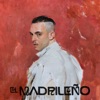
2021
C. Tangana, El Madrileño
Madrid’s C. Tangana turned flamenco, rumba, bolero and more into modern pop, with a host of elder musicians as guests.
-

2022
Rosalía, MOTOMAMI
From near Barcelona, she cut and pasted everything from flamenco to reggaetón and electronics into a new shape for Spanish-language pop.
-

2022
Las Migas, Libres
A women’s flamenco group born in Barcelona; Latin Grammy winner for flamenco.
-

2024
Lau Noah, A Dos
A Catalan singer-songwriter and guitarist’s album of duets with Jacob Collier, Jorge Drexler, Sílvia Pérez Cruz and others.
-

2025
Rosalía, LUX
An album sung in many languages with a full orchestra, on faith and the sacred.
-

2026
Sílvia Pérez Cruz, Oral_Abisal
Catalan singer Sílvia Pérez Cruz’s tenth album and her first set of original songs since 2023, released by Sony in May 2026. A dual record split into “Oral” and “Abisal” halves, it sets contrasting textures against each other — warmth and abyss, wood and metal.