Japan
Tokyo · Osaka · Tsugaru · Okinawa
Islands where folk song, shamisen and Okinawan shima-uta met Western music from the 1870s on. Post-war kayōkyoku, rock, city pop and electronic music all digested foreign sounds into something new.
57 recordings, 1947–2026
-
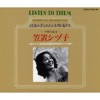
1947
Shizuko Kasagi, Ketteiban Kasagi Shizuko: Boogie no Joō 笠置シヅ子 — 決定盤 笠置シヅ子「ブギの女王」
The “Queen of Boogie.” With composer Ryoichi Hattori, songs such as “Tokyo Boogie-Woogie” (1947) brought energy to a Japan rebuilding after the war.
-

1952
Various Artists, Folk Music of Japan
Selected by anthropologist Edward Norbeck from 81 field recordings he made in 1950–51, mostly in Okayama Prefecture: a geisha with shamisen in Shimotsui, the music of Bitchū kagura in Nariwa, “Sado Okesa” and more, with his own notes.
-

1954
Akira Ifukube, Godzilla (Original Soundtrack) 伊福部昭 — ゴジラ オリジナル・サウンドトラック
Akira Ifukube’s music for Toho’s Godzilla. Beyond the score, he created the monster’s roar by drawing a resin-coated leather glove across the strings of a double bass, and devised its footsteps too. Ifukube wrote more than 250 film scores in all.
-

1958
Chiemi Eri & Tokyo Cuban Boys, Chiemi no Minyōshū 江利チエミ & 東京キューバン・ボーイズ — チエミの民謡集
Chiemi Eri, the singer of “Tennessee Waltz,” teams with the Tokyo Cuban Boys for King Records on eight Japanese folk songs — “Otemoyan,” “Kiso-bushi,” “Kushimoto-bushi,” “Sanosa” and more — set to a Latin big band.
-

1959
Hideo Shiraki, HIDEO SHIRAKI 白木秀雄 — HIDEO SHIRAKI
An album for King by drummer Hideo Shiraki, whose quintet was hugely popular in Japan in the late 1950s and early 1960s — drum-forward takes on “A Night in Tunisia,” “Drum Boogie” and “Around the World in 80 Days.”
-

1961
Kyu Sakamoto, Ue o Muite Arukō 坂本九 — 上を向いて歩こう
A 1961 song by lyricist Rokusuke Ei and composer Hachidai Nakamura. As “Sukiyaki” it topped the US chart in 1963 — still the only Japanese-language song to do so.
-

1964
Hibari Misora, Yawara 美空ひばり — 柔
The defining singer of post-war Japanese popular song, at home in enka, jazz and folk song; “Yawara” (1964) was a huge hit.
-
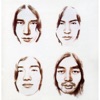
1971
Happy End, Kazemachi Roman はっぴいえんど — 風街ろまん
Haruomi Hosono, Eiichi Ohtaki, Takashi Matsumoto and Shigeru Suzuki pursued rock sung in Japanese — a wellspring of later Japanese pop.
-
1972
Takuro Yoshida, Genki desu 吉田拓郎 — 元気です。
From Takuro Yoshida, standard-bearer of Japanese folk, released in 1972 — the year his single “Tabi no Yado” sold a million: guitar-led songs of his own writing that marked singer-songwriters moving into the mainstream of Japanese pop.
-

1973
Chikuzan Takahashi, Tsugaru Shamisen (live, 1973) 高橋竹山 — 津軽三味線 高橋竹山(1973年ライブ録音)
A Tsugaru shamisen master from Aomori who began as an itinerant door-to-door musician and, in the 1970s, thrilled young audiences across Japan.
-

1973
Yumi Arai, Hikōki-gumo 荒井由実 — ひこうき雲
The debut of a singer-songwriter from Hachiōji, Tokyo; backed by Caramel Mama, it opened a new era for Japanese pop.
-
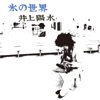
1973
Yosui Inoue, Kori no Sekai 井上陽水 — 氷の世界
Yōsui Inoue’s third album spent 35 weeks at No. 1 on the Oricon chart and is credited as the first album in Japan to sell a million copies — introspective lyrics with rock sounds that stretched what folk could be.
-

1976
Haruomi Hosono, Taian Yoko (Bon Voyage co.) 細野晴臣 — 泰安洋行
Part of Haruomi Hosono’s “tropical trilogy,” freely mixing Okinawan, New Orleans and Caribbean music.
-

1976
Akiko Yano, JAPANESE GIRL 矢野顕子 — JAPANESE GIRL
Akiko Yano’s debut: one side recorded in Los Angeles with Little Feat, the other in Tokyo — free-spirited, piano-centred songs.
-
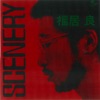
1976
Ryo Fukui, Scenery 福居良 — Scenery
The debut trio album by Sapporo pianist Ryo Fukui. Long out of print, it found a worldwide audience after its 2018 reissue and is now heard as a classic of Japanese jazz.
-
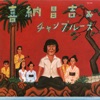
1977
Shoukichi Kina & Champloose, Shoukichi Kina & Champloose 喜納昌吉&チャンプルーズ — 喜納昌吉&チャンプルーズ
The debut by the band who played Okinawan sanshin and island song with rock energy; “Haisai Ojisan” took Okinawan music nationwide.
-
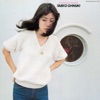
1977
Taeko Ohnuki, SUNSHOWER 大貫妙子 — SUNSHOWER
Taeko Ohnuki’s second album, all arranged by Ryuichi Sakamoto, with New York drummer Chris Parker and others: polished urban songs drawing on fusion and AOR, later celebrated as an early city-pop classic.
-

1978
Ryuichi Sakamoto, Thousand Knives 坂本龍一 — 千のナイフ
His solo debut, released just before YMO began, joining synthesizers to Asian music and contemporary composition.
-
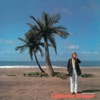
1978
Sadao Watanabe, California Shower 渡辺貞夫 — California Shower
Saxophonist Sadao Watanabe recorded this in Los Angeles with arrangements by Dave Grusin and players including Lee Ritenour — bright, sunny fusion.
-

1979
Yellow Magic Orchestra, Solid State Survivor
Haruomi Hosono, Ryuichi Sakamoto and Yukihiro Takahashi; their synthesizer-and-computer pop influenced electronic music worldwide.
-

1980
RC Succession, RHAPSODY RCサクセション — RHAPSODY
RC Succession, led by Kiyoshiro Imawano, live at Tokyo’s Kubo Kōdō in April 1980 — painted faces and hot, soul- and R&B-schooled playing that changed what a Japanese rock show could be.
-
1981
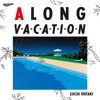
Eiichi Ohtaki, A LONG VACATION 大滝詠一 — A LONG VACATION
A former member of Happy End; his love of 1960s American pop, rendered in meticulous sound, became a huge hit.
-

1984
Mariya Takeuchi, VARIETY 竹内まりや — VARIETY
Mariya Takeuchi’s album produced by Tatsuro Yamashita. “Plastic Love,” rediscovered online in the 2010s, became the emblem of city pop’s global revival.
-
1986
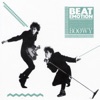
BOØWY, BEAT EMOTION
BOØWY, built around Kyosuke Himuro and Tomoyasu Hotei, topped the Oricon chart with this album — driving beats and guitar riffs that led Japan’s late-1980s band boom.
-

1988
Takio Ito, TAKIO – Soran Bushi 伊藤多喜雄 — TAKIO ─ ソーラン節
Folk singer Takio Ito, paired in a Sony series with jazz and experimental players, sings Hokkaido’s “Sōran Bushi” and other min’yō in new colours — a path that led to the later “Nanchū Sōran” boom.
-
1990
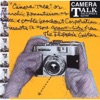
FLIPPER’S GUITAR, CAMERA TALK
Flipper’s Guitar’s second album, by Keigo Oyamada and Kenji Ozawa, playfully stitching together British guitar pop and quotations from everywhere — the spark of what came to be called Shibuya-kei.
-

1994
Kenji Ozawa, LIFE 小沢健二 — LIFE
Kenji Ozawa’s second solo album after Flipper’s Guitar, with the Scha Dara Parr collaboration “Konya wa Boogie Back” — Motown and soul sparkle painting 1990s Tokyo.
-

1994
Nenes, Koza Dabasa ネーネーズ — コザdabasa
Nēnēs, the women’s group formed under Okinawan music elder Sadao China, sing island songs in a modern setting — part of the 1990s Okinawan wave.
-
1996
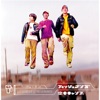
Fishmans, Kūchū Camp Fishmans — 空中キャンプ
A Tokyo band that took the floating feel of reggae and dub; Shinji Sato’s voice and long repetitions made a world of their own, later discovered by listeners abroad.
-

1996
Rinsho Kadekaru, The Last Session 嘉手苅林昌 — The Last Session
At 77, Rinshō Kadekaru — the great postwar voice of Okinawan folk song — with composer Tsuneo Fukuhara, singing old island songs to his own sanshin with easy-going mastery.
-

1997
Ikue Asazaki, Umi: Amami 朝崎郁恵 — 海美〜AMAMI
A singer of Amami Ōshima’s island songs, with their distinctive falsetto, sung quietly with piano.
-

1997
Cornelius, FANTASMA Cornelius — FANTASMA
Keigo Oyamada’s solo project, joining sound collage and pop; acclaimed abroad as well as at home.
-

1999
Ringo Sheena, Muzai Moratorium 椎名林檎 — 無罪モラトリアム
The debut of a singer-songwriter raised in Fukuoka, joining words that recall Shōwa-era kayōkyoku to the roar of alternative rock.
-

2000
Number Girl, SAPPUKEI NUMBER GIRL — SAPPUKEI
Number Girl’s third album, led by Fukuoka’s Shutoku Mukai and produced by American Dave Fridmann: jagged guitars meeting Japanese melody, hugely influential on later Japanese rock.
-

2001
Ann Sally, Voyage アン・サリー — ヴォヤージュ
The debut of singer Ann Sally, who also works as a physician: bossa nova, jazz standards and folk in a quiet, gentle voice.
-
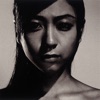
2002
Hikaru Utada, Deep River 宇多田ヒカル — DEEP RIVER
The third album by a singer-songwriter born in New York and raised in Tokyo, melting an R&B sensibility into Japanese pop.
-

2002
Chitose Hajime, Hainumikaze 元ちとせ — ハイヌミカゼ
Chitose Hajime from Amami Ōshima sang “Wadatsumi no Ki” with the falsetto turns of island shima-uta — a huge hit.
-

2002
Quruli, THE WORLD IS MINE くるり — THE WORLD IS MINE
The fourth album by Kyoto band Quruli, bringing electronics and sonic experiment into guitar rock and greatly widening their range.
-
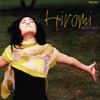
2003
Hiromi, Another Mind 上原ひろみ — Another Mind
The debut of Hamamatsu-born pianist Hiromi, recorded while she was at Berklee; virtuosity and rock-like drive made her name worldwide.
-

2005
Boris, PINK
Tokyo’s Boris: roaring guitars, psychedelic sprawl and surprising melody. Through its US reissue it won wide acclaim abroad and became the usual entry point to the band.
-
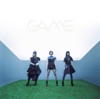
2008
Perfume, GAME
Hiroshima trio Perfume, produced by Yasutaka Nakata: vocoded technopop such as “Polyrhythm” that redrew Japanese pop.
-

2011
Shintaro Sakamoto, How to Live with a Phantom 坂本慎太郎 — 幻とのつきあい方
Shintaro Sakamoto’s first solo album after Yura Yura Teikoku, on his own label, playing nearly everything himself — 1970s pop and soul feeling with dry humour.
-

2015
cero, Obscure Ride
The Tokyo band cero brought the rhythmic feel of post-D’Angelo neo-soul and hip-hop into Japanese-language song.
-
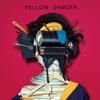
2015
Gen Hoshino, YELLOW DANCER 星野源 — YELLOW DANCER
Gen Hoshino’s fourth album folded soul, jazz and R&B into Japanese-language pop; it reached No. 1 on Oricon and won an Excellent Album award at the Japan Record Awards.
-
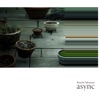
2017
Ryuichi Sakamoto, async 坂本龍一 — async
Ryuichi Sakamoto’s first solo album in eight years, made after illness: listening to sound itself — piano, rain, damaged instruments.
-

2017
Minyo Crusaders, Echoes of Japan 民謡クルセイダーズ — エコーズ・オブ・ジャパン
Fussa’s Minyo Crusaders play Japanese folk song (min’yō) over cumbia, Afrobeat and other rhythms.
-

2018
Kaho Nakamura, AINOU 中村佳穂 — AINOU
Kyoto-born Kaho Nakamura crystallised her free voice and improvised singing into a new kind of Japanese pop.
-

2018
Yuta Orisaka, Heisei 折坂悠太 — 平成
Yuta Orisaka’s album made as the Heisei era ended, singing its mood in phrasing that recalls folk song and rōkyoku.
-

2020
Fujii Kaze, HELP EVER HURT NEVER 藤井 風 — HELP EVER HURT NEVER
Okayama-born Fujii Kaze’s debut — Japanese sung in his local dialect over soul and jazz piano — was heard widely abroad.
-

2020
Kenshi Yonezu, STRAY SHEEP 米津玄師 — STRAY SHEEP
Kenshi Yonezu, who emerged from online Vocaloid culture; with “Lemon” and more, it became Japan’s defining album of 2020.
-

2020
King Gnu, CEREMONY
King Gnu’s third album, built around Daiki Tsuneta: with “Hakujitsu,” a mix of rock, classical and hip-hop that went to No. 1 on Oricon.
-

2021
YOASOBI, THE BOOK
The first collection from YOASOBI, the unit that turns short stories into songs. “Yoru ni Kakeru,” based on an online story, spread from the internet to define a streaming-era Japanese hit.
-

2022
Masa Takumi, Sakura
The Los Angeles-based Japanese composer paints Japanese landscapes with traditional instruments and strings — Grammy winner for Best Global Music Album.
-

2022
Ado, Kyogen
The debut of Ado, a singer who never shows her face. After her teenage smash “Usseewa,” it topped Oricon — proof that voices born online had become Japan’s mainstream.
-

2025
Ichiko Aoba, Luminescent Creatures 青葉市子 — Luminescent Creatures
A musician from Kyoto who, with nylon-string guitar, voice and chamber ensemble, quietly depicts sea creatures and island memories.
-

2026
Shintaro Sakamoto, Yoo-hoo 坂本慎太郎 — ヤッホー
Shintaro Sakamoto’s fifth solo album, released digitally on his longtime label zelone records in January 2026: mellow, groove-driven psych-pop with hints of Latin, Hawaiian and Philly soul, which one reviewer compared to Haruomi Hosono’s early work.
-

2026
DJ KRUSH, TOKYØHUM
The 14th album by DJ Krush, often called a trip-hop pioneer, released on his own DJ KRUSH RECORDINGS in July 2026: a dark, immersive set of beats built around the city and the invisible energy and tension of urban life.