The American South
Mississippi Delta · New Orleans · Memphis · Appalachia
Blues, jazz, gospel, country, soul and zydeco: where African American and European immigrant music met, and a fountainhead of 20th-century popular music.
A rhythm of this region: Shuffle (12/8)
60 recordings, 1924–2026
-

1924
Ma Rainey, Selections from Mother of the Blues: The Complete Paramount Recordings 1923–1928
The “Mother of the Blues,” who recorded for Paramount in Chicago from 1923 the powerful singing she had honed in Southern tent shows.
-

1926
Blind Lemon Jefferson, Presenting Blind Lemon Jefferson
A blind Texas guitarist and singer who began recording for Paramount in 1926 — the first male, self-accompanied bluesman to sell widely.
-

1927
Louis Armstrong, The Best of the Hot 5 & Hot 7 Recordings
The New Orleans-born trumpeter’s recordings made in Chicago, which established jazz as an art of improvised solos.
-

1928
The Carter Family, All Time Greats, Vol. 1
A family group from the Virginia mountains whose recordings, starting at Bristol in 1927, spread Appalachian song and laid the foundations of country music.
-

1929
Bessie Smith, The Essential Bessie Smith
The “Empress of the Blues” from Tennessee, whose many 1920s records spread the blues across America.
-

1933
Jimmie Rodgers, RCA Country Legends: Jimmie Rodgers
From Mississippi, the “Father of Country Music,” who joined blues and yodel in his “Blue Yodels” before dying in 1933 at 35.
-

1936
Robert Johnson, King of the Delta Blues Singers
The Mississippi Delta guitarist and singer whose handful of 1936–37 recordings deeply influenced later rock and blues musicians.
-

1938
Jelly Roll Morton, The Complete Library of Congress Recordings
Jelly Roll Morton’s piano, songs and stories, recorded at the Library of Congress by folklorist Alan Lomax in 1938 — early New Orleans jazz explained, and played, by a man who was there.
-

1939
Lead Belly, Negro Sinful Songs
Recorded for New York’s Musicraft label in 1939 by the Louisiana singer. His twelve-string work songs and blues became a wellspring of the later folk revival.
-

1940
Woody Guthrie, Dust Bowl Ballads
Woody Guthrie’s first commercial album, singing of the Oklahomans driven from their land by the dust storms of the 1930s — a cornerstone of American protest folk.
-

1941
Muddy Waters, The Complete Plantation Recordings
The young Muddy Waters, recorded in 1941–42 by folklorist Alan Lomax and others on Stovall Plantation, Mississippi — before he moved to Chicago.
-

1944
Woody Guthrie, This Land Is Your Land: The Asch Recordings, Vol. 1
The Oklahoma singer who travelled through the Depression and the Dust Bowl. “This Land Is Your Land” was recorded in New York in 1944.
-

1949
Hank Williams, Turn Back the Years: The Essential Hank Williams Collection
The Alabama singer-songwriter who sang loneliness and sorrow plainly and, in a short life, left many of country music’s classic songs.
-

1951
Jackie Brenston & His Delta Cats, Rocket 88
Recorded in Memphis by Sam Phillips with Ike Turner’s band, its distorted guitar makes it one of the records named as the first rock’n’roll.
-

1954
Elvis Presley, Sunrise
Born in Tupelo, Mississippi, raised in Memphis. With “That’s All Right,” cut at Sun Records in 1954, the rock’n’roll era began.
-

1956
Fats Domino, Rock and Rollin’ With Fats Domino
Fats Domino’s debut album gathers songs Imperial had issued as singles between 1950 and 1956; his early sides were cut at Cosimo Matassa’s J&M studio in New Orleans. It reached No. 17 on Billboard’s pop album chart.
-

1957
Flatt & Scruggs, Foggy Mountain Jamboree
Lester Flatt’s guitar and Earl Scruggs’s three-finger banjo on their first LP, with “Flint Hill Special” — the record that spread the bluegrass sound.
-

1957
Little Richard, Here’s Little Richard (Mono Version)
Little Richard’s debut, recorded September 1955–October 1956, all but two tracks at J&M Studio in New Orleans with local players such as Lee Allen and Earl Palmer. “Tutti Frutti” was ranked No. 43 in Rolling Stone’s 500 Greatest Songs.
-

1957
Johnny Cash, With His Hot and Blue Guitar (feat. The Tennessee Two)
Johnny Cash’s debut was the first LP Sun Records ever issued. Recorded between May 1955 and August 1957 with the Tennessee Two, Luther Perkins and Marshall Grant, it gathers hits including “I Walk the Line” and “Folsom Prison Blues”.
-

1958
Mahalia Jackson, Live at Newport 1958
The New Orleans-born “Queen of Gospel,” live and overwhelming at the Newport Jazz Festival.
-

1961
Patsy Cline, Showcase (feat. The Jordanaires)
Patsy Cline’s second album, recorded at Bradley Studios in Nashville between November 1960 and August 1961 with producer Owen Bradley and the Jordanaires. It contains “I Fall to Pieces”, a country No. 1 that crossed to the pop chart, and “Crazy”.
-

1962
Ray Charles, Modern Sounds in Country and Western Music
The Georgia-born soul singer sang country standards with orchestra and crossed racial lines with a huge hit.
-

1965
Clifton Chenier, Louisiana Blues and Zydeco
The king of zydeco, the Creole music of Louisiana, playing blues and R&B on accordion and spreading south-west Louisiana’s dance music.
-

1965
Otis Redding, Otis Blue
The Georgia singer’s album recorded at Stax in Memphis — a landmark of Southern soul.
-

1967
Aretha Franklin, I Never Loved a Man the Way I Love You
Begun at the studio in Muscle Shoals, Alabama, and featuring “Respect,” it announced the arrival of the Queen of Soul.
-

1968
Johnny Cash, At Folsom Prison
The Arkansas-born country singer, recorded live in front of inmates at a California prison.
-

1968
Dr. John, Gris-Gris
New Orleans pianist Mac Rebennack’s debut as Dr. John — an eerie sound that conjures voodoo ritual.
-

1971
Dolly Parton, Coat of Many Colors
A singer raised in the Tennessee mountains; the title song, about a coat her mother sewed from rags, is said to be her own favourite.
-

1972
Al Green, Let’s Stay Together
Made with Willie Mitchell at Memphis’ Hi Records; his whispering voice marks a summit of Southern soul.
-

1972
Big Star, #1 Record
The Memphis band’s debut sold poorly at first but deeply shaped power pop and alternative rock.
-

1972
Professor Longhair, House Party New Orleans Style: The Lost Sessions 1971–1972
Long-shelved sessions by the patriarch of New Orleans piano. His rumba-bouncing left hand became a model for generations of the city’s players.
-

1972
The Staple Singers, Be Altitude: Respect Yourself
The Staple Singers’ Stax album, produced by Al Bell and recorded at Muscle Shoals Sound in Alabama and Ardent in Memphis with the Muscle Shoals Rhythm Section. Alongside “Respect Yourself,” it included “I’ll Take You There,” a US No. 1.
-
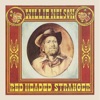
1975
Willie Nelson, Red Headed Stranger
Willie Nelson’s first album for Columbia, cut cheaply at Autumn Sound in Garland, Texas: a concept record about a preacher on the run after killing his wife and her lover, told with the barest backing. Executives thought it sounded like a demo, but it sold millions and included “Blue Eyes Crying in the Rain.”
-

1980
Professor Longhair, Crawfish Fiesta
The New Orleans pianist whose Caribbean-tinged rhythms made him the father of the city’s R&B.
-

1982
Clifton Chenier, I’m Here
A late album by the accordionist who carried Louisiana Creole zydeco to the world — the first zydeco record to win a Grammy.
-
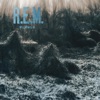
1983
R.E.M., Murmur
R.E.M.’s debut, recorded in winter 1983 at Reflection Sound in Charlotte, North Carolina, with Mitch Easter and Don Dixon producing, and released on I.R.S. Michael Stipe’s cryptic lyrics and Peter Buck’s jangling guitar made it one of the first alternative rock albums to win mainstream press attention.
-

1984
Dirty Dozen Brass Band, My Feet Can't Fail Me Now
The first full-length album by the Dirty Dozen Brass Band, released in 1984 in Concord’s George Wein Collection. The band’s success helped spark the 1980s revival of New Orleans brass band music.
-

1989
Neville Brothers, Yellow Moon
Recorded in New Orleans with producer Daniel Lanois and released on A&M in March 1989, the album reached No. 66 in the US. Its track “Healing Chant” won the Grammy for Best Pop Instrumental Performance at the 32nd awards.
-

1989
Geto Boys, Grip It on That Other Level
The second album by the group, then spelled Ghetto Boys, released on Rap-A-Lot in March 1989. It introduced their classic line-up of Scarface, Willie D and Bushwick Bill; DJ Ready Red produced most of it, and its violent lyrics are credited with pioneering horrorcore.
-

1994
R.L. Burnside, Too Bad Jim
Mississippi bluesman R.L. Burnside’s album for Fat Possum, produced by Robert Palmer and recorded at Junior Kimbrough’s place in Chulahoma. Its churning, hypnotic one-chord vamps made it his breakthrough.
-

1994
Selena, Amor Prohibido
Selena’s album for EMI Latin. The title track, “Bidi Bidi Bom Bom,” “No Me Queda Más” and “Fotos y Recuerdos” all topped the Hot Latin Songs chart, and it holds the record of 97 weeks at No. 1 on Billboard’s Regional Mexican Albums chart.
-

1995
Three 6 Mafia, Mystic Stylez
Three 6 Mafia’s debut, produced entirely by DJ Paul and Juicy J in a North Memphis studio and released on their own Prophet label. Its dark, horror-themed sound anticipated horrorcore and shaped Memphis rap for decades.
-

1996
UGK, Ridin' Dirty
The third album by Port Arthur, Texas, duo Pimp C and Bun B. Released on Jive, it reached No. 15 in the US and No. 2 on the R&B/hip-hop albums chart and went gold, eventually selling more than 850,000 copies.
-

1997
Erykah Badu, Baduizm
The debut of Dallas-born Erykah Badu, joining jazz and hip-hop and setting the standard for neo-soul.
-

1997
Missy Elliott, Supa Dupa Fly
Virginia’s Missy Elliott debuted over Timbaland’s strange, skittering beats and changed the sound of hip-hop.
-

1998
OutKast, Aquemini
The Atlanta duo brought Southern funk, gospel and blues into hip-hop, putting the South at its centre.
-
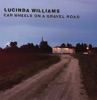
1998
Lucinda Williams, Car Wheels On a Gravel Road
Lake Charles, Louisiana, native Lucinda Williams scrapped nearly finished Austin sessions and remade the album in Nashville and California. It won the Grammy for Best Contemporary Folk Album and topped the Village Voice’s Pazz & Jop critics’ poll for 1998.
-

2000
D’Angelo, Voodoo
Virginia’s D’Angelo, with Questlove and others, in the woozy, behind-the-beat grooves of neo-soul’s peak.
-

2001
Gillian Welch, Time (The Revelator)
Gillian Welch’s third album, made with David Rawlings at Nashville’s RCA Studio B, by then a tourist landmark, using their own gear: just two guitars and two voices, mostly first takes. Released on their own Acony label.
-

2003
T.I., Trap Muzik
The second album by T.I. from Atlanta’s Bankhead neighbourhood, released on Atlantic and his own Grand Hustle and certified platinum after reaching No. 4. Featuring “24’s” and “Rubber Band Man,” it is credited with giving Atlanta’s street rap its name: trap.
-

2008
Lil Wayne, Tha Carter III
Lil Wayne, raised in New Orleans’ Hollygrove, sold over a million copies in this album’s first week as it debuted at No. 1, with “Lollipop” topping the Hot 100. It won the Grammy for Best Rap Album, and “Lollipop” took Best Rap Song.
-

2011
Rebirth Brass Band, Rebirth of New Orleans
An album by New Orleans brass band Rebirth Brass Band, who also appeared in HBO’s Treme. It won the 2012 Grammy for Best Regional Roots Music Album.
-

2016
Beyoncé, Lemonade
Houston-born Beyoncé laid her own story over the history of Black Southern women, released with a film.
-

2017
Rhiannon Giddens, Freedom Highway
The North Carolina singer and banjo player sings African American history and the African memory carried by the banjo.
-

2018
Kacey Musgraves, Golden Hour
Texas-born Kacey Musgraves mixed disco and electronics into country — Grammy Album of the Year.
-

2021
Jon Batiste, WE ARE
Born into a New Orleans musical family, Jon Batiste brought in his old high-school marching band — Grammy Album of the Year.
-

2023
Jason Isbell and the 400 Unit, Weathervanes
Jason Isbell’s album with his band the 400 Unit. It won Best Americana Album at the 2024 Grammys, and “Cast Iron Skillet” took Best American Roots Song.
-

2024
Beyoncé, COWBOY CARTER
From Houston, Texas, she shone a light on Black musicians in country music’s history, winning the Grammy for Album of the Year.
-

2025
Clipse, Let God Sort Em Out
Pusha T and Malice’s first Clipse album in 16 years, with Pharrell Williams producing. Their first fully independent release, it reached No. 4 on the Billboard 200.
-

2026
J. Cole, The Fall-Off
J. Cole’s February 2026 album entered the Billboard 200 at No. 1 with 280,000 units in its first week, including about 80,000 vinyl copies, the biggest vinyl week of his career. It was his seventh chart-topping album.