The Nordic Countries
Norway · Sweden · Finland · Sápmi · Iceland
Folk instruments such as the Hardanger fiddle and nyckelharpa, and the Sámi joik. A feeling for silence and resonance that deeply marked jazz from the 1970s on — and the home of ABBA’s pop and of Iceland’s Björk and Sigur Rós.
A rhythm of this region: Polska (3/4)
32 recordings, 1956–2023
-

1956
Lars Gullin, Baritone Sax
Swedish baritone saxophonist Lars Gullin’s album for the American Atlantic label, with Arne Domnérus on clarinet and arrangements by Gösta Theselius. Cash Box praised it on release.
-

1964
Jan Johansson, Jazz på svenska
The Swedish pianist turned Swedish folk tunes into piano-and-bass jazz — one of the best-selling jazz albums in Sweden.
-
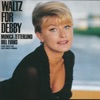
1964
Monica Zetterlund & Bill Evans, Waltz For Debby
Swedish singer Monica Zetterlund recorded with the Bill Evans Trio in Stockholm on 29 August 1964, after Evans heard her Swedish-language version of the title tune. With Beppe Wolgers’ lyric as “Monicas vals,” it became her best-known record.
-
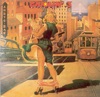
1973
Gasolin', Gasolin' 3
Gasolin’s third album, sung in Danish with Kim Larsen out front, and the first produced by Roy Thomas Baker, who gave it a fuller sound. Its cover, a wall painting from a Copenhagen bar, was voted Denmark’s best album cover by DR P4 listeners in 2010.
-
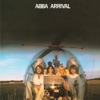
1976
ABBA, Arrival
The Stockholm quartet who rose to world fame after winning Eurovision in 1974, and reached their peak with this album and “Dancing Queen.”
-

1977
Jan Garbarek, Dis
The Norwegian saxophonist with guitar and a wind harp: silence and resonance that evoke Nordic air and came to define the ECM sound.
-
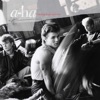
1985
a-ha, Hunting High and Low
a-ha’s debut. The Alan Tarney re-recording of “Take On Me” became a worldwide hit, and the album went to No. 1 in Norway and No. 2 in the UK.
-

1988
Nils-Aslak Valkeapää, Beaivi, Áhčážan
The Sámi poet and musician combines joik — traditional improvised song — with poetry and the sounds of nature.
-

1988
sugarcubes, Life's Too Good
The Icelandic band the Sugarcubes’ debut, released on One Little Indian. The lead single “Birthday” topped John Peel’s Festive Fifty for 1987 and brought Icelandic indie rock to international ears.
-

1989
Mari Boine, Gula Gula
The Sámi singer from northern Norway sings joik with contemporary instruments, carrying Sámi voices to the world.
-

1991
Värttinä, Oi dai
A group carrying on the songs of Karelia in eastern Finland: strong women’s voices with accordion and fiddle.
-

1992
Hedningarna, Kaksi!
A Swedish group sounding folk instruments such as the nyckelharpa wildly alongside electronics and dance beats.
-

1992
Darkthrone, A Blaze In the Northern Sky
Darkthrone’s abrupt turn from the death metal of their debut to black metal. Peaceville balked and wanted a remix, but it came out as recorded and became a blueprint for Norway’s second-wave black metal.
-
1994
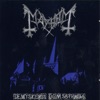
Mayhem, De Mysteriis Dom Sathanas
Mayhem’s first studio album, recorded largely at Grieg Hall in Bergen. Its release was delayed by the suicide of singer Dead and the murder of Euronymous, and it finally came out on his Deathlike Silence label in 1994, with Attila Csihar on vocals.
-

1995
At The Gates, Slaughter of the Soul
Recorded at Gothenburg’s Studio Fredman with Fredrik Nordström, At the Gates’ album defined the melodic, brutal “Gothenburg sound” and influenced a generation of metal bands. The group split the following year.
-

1997
Björk, Homogenic
From Reykjavík: a string octet and electronic beats, combined in search of a sound like Iceland’s landscape.
-
1997
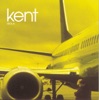
KENT, Isola
Kent’s Swedish-language album entered the chart at No. 1 on the back of the single “Om du var här” and won Album of the Year at the Swedish Grammis. An English version followed in 1998.
-

1997
Nils Petter Molvær, Khmer
Norway’s Nils Petter Molvær built Khmer from samples and synthetic sound over house and drum’n’bass beats — far from ECM’s usual chamber jazz. It became a touchstone of “future jazz” and the best-selling album of his career.
-

1998
Nightwish, Oceanborn
Nightwish’s second album, recorded in Kitee and Helsinki, sets Tarja Turunen’s operatically trained voice against metal. The single “Sacrament of Wilderness” topped the Finnish singles chart.
-

1999
Sigur Rós, Ágætis byrjun
A Reykjavík band whose bowed guitar and falsetto singing introduced Icelandic music to the world.
-
2001
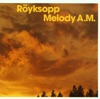
Röyksopp, Melody A.M.
The debut of Bergen duo Röyksopp, introducing the world to Nordic electronic clarity.
-

2001
Kings of Convenience, Quiet Is the New Loud
The debut of Eirik Glambek Bøe and Erlend Øye’s duo, made with Coldplay producer Ken Nelson: two acoustic guitars and hushed harmonies, living up to its title.
-

2002
Jóhann Jóhannsson, Englabörn
Icelandic composer Jóhann Jóhannsson’s first full-length album: music written for a play by Hávar Sigurjónsson, distilled into 16 miniatures for string quartet, percussion and the composer himself, mixing classical, ambient and electronic touches; released by Touch.
-

2003
e.s.t., Seven Days of Falling
From Stockholm’s Esbjörn Svensson Trio, a piano trio that brought rock and electronica into jazz — Dan Berglund’s bass often ran through distortion. The album charted on both jazz and pop album charts.
-

2006
The Knife, Silent Shout
The Swedish sibling duo’s dark, cold electronics and altered voices left a mark on 2000s pop.
-

2010
Robyn, Body Talk
Stockholm’s Robyn and “Dancing On My Own” — the classic of crying while you dance.
-
2010
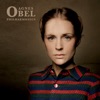
Agnes Obel, Philharmonics
Berlin-based Dane Agnes Obel’s debut, recorded in Berlin in 2008–10, spent seven straight weeks at No. 1 in Denmark and won five Danish Music Awards in 2011, including Album of the Year.
-

2013
Wardruna, Runaljod – Yggdrasil
A Norwegian group using ancient instruments and runic poetry to revive the oldest layers of Nordic sound.
-
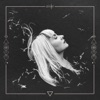
2015
Eivør, Slør
Faroese singer Eivør’s album sung entirely in her mother tongue, made as a pair with the English-language Bridges. Folk feeling meets electronics and pop in songs about the forces of nature, including the legend of the kópakona, the seal woman.
-

2022
Björk, Fossora
Björk’s tenth album, which she called her “mushroom album,” grew out of grief for her mother, who died in 2018, and lockdown time in Iceland. Built around a bass-clarinet sextet and gabber beats, with Bali duo Gabber Modus Operandi; “Sorrowful Soil” and “Ancestress” are dedicated to her mother.
-
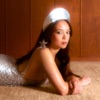
2023
Laufey, Bewitched
Reykjavík-born Laufey, of Icelandic and Chinese heritage, joins the language of jazz standards to a young generation’s words; a Grammy winner.
-

2023
Fever Ray, Radical Romantics
Karin Dreijer’s Fever Ray album marked the first collaboration with brother Olof since The Knife split in 2014; Trent Reznor and Atticus Ross co-produced “Even It Out.” Eerie, experimental pop about love’s more complicated forms.